- Accessory market
- Guangzhou
Sanyuanli Leather Market
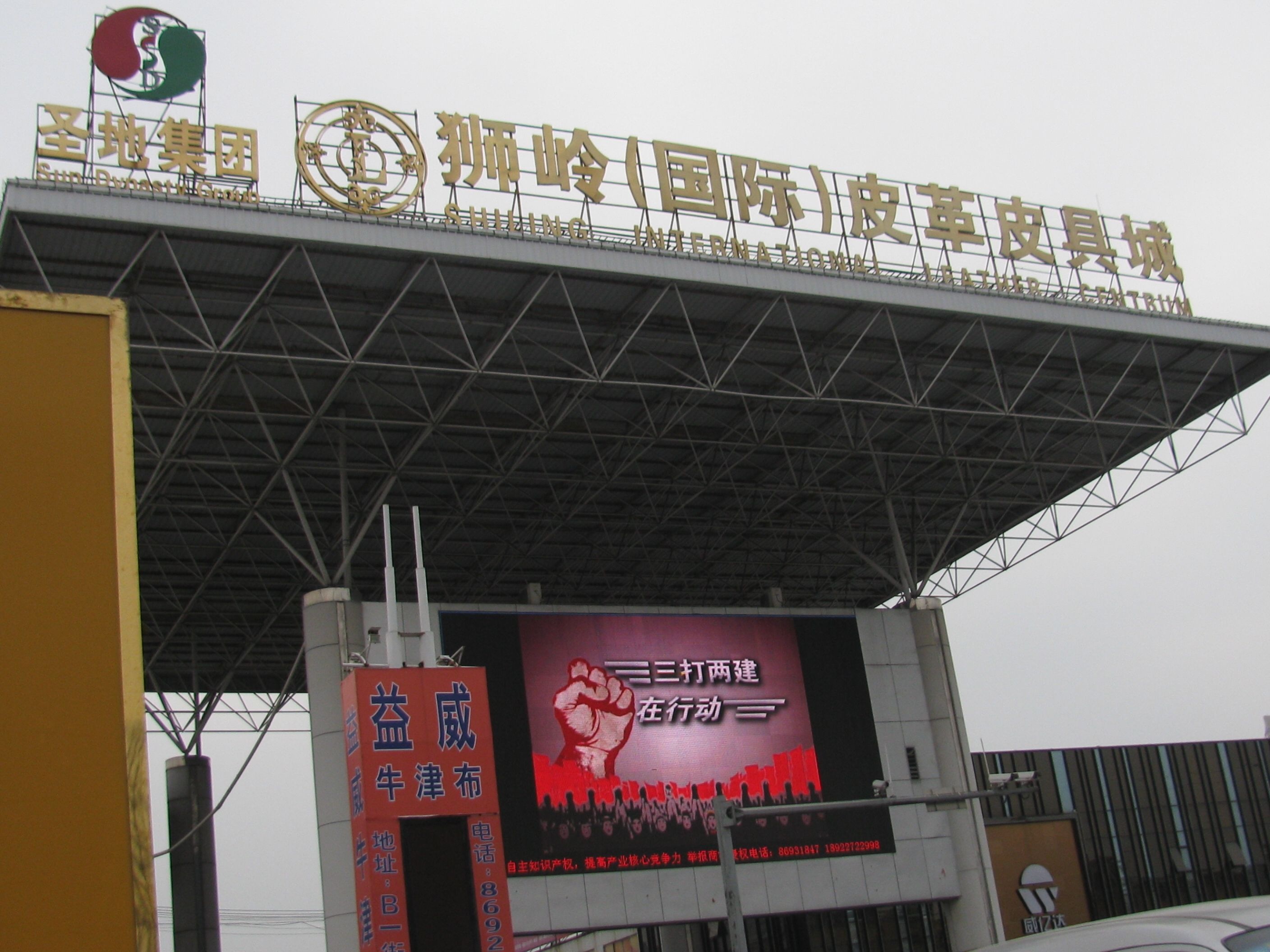
Thirty-plus markets and close to ten thousand shops in Baiyun District — the largest concentration of leather-goods wholesale trade anywhere in China.
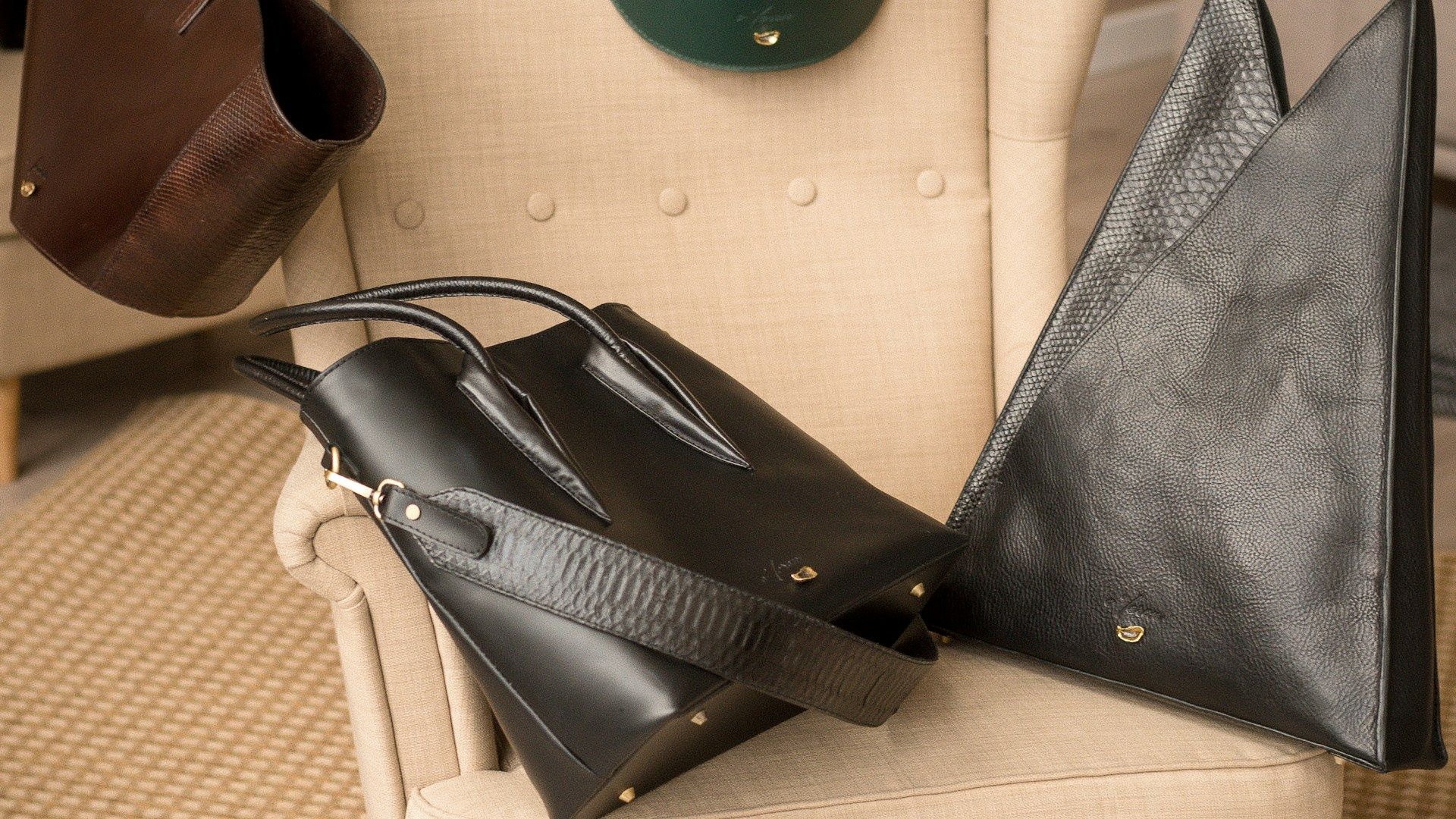
Sanyuanli is the answer to a specific question: where do the world's handbags come from? Around 30 specialised markets and close to 10,000 shops are packed into the area around Guihuagang, Ziyuangang and Sanyuanli Avenue, and it is routinely described as the largest leather-goods wholesale hub in China — and, by several accounts, in the world.
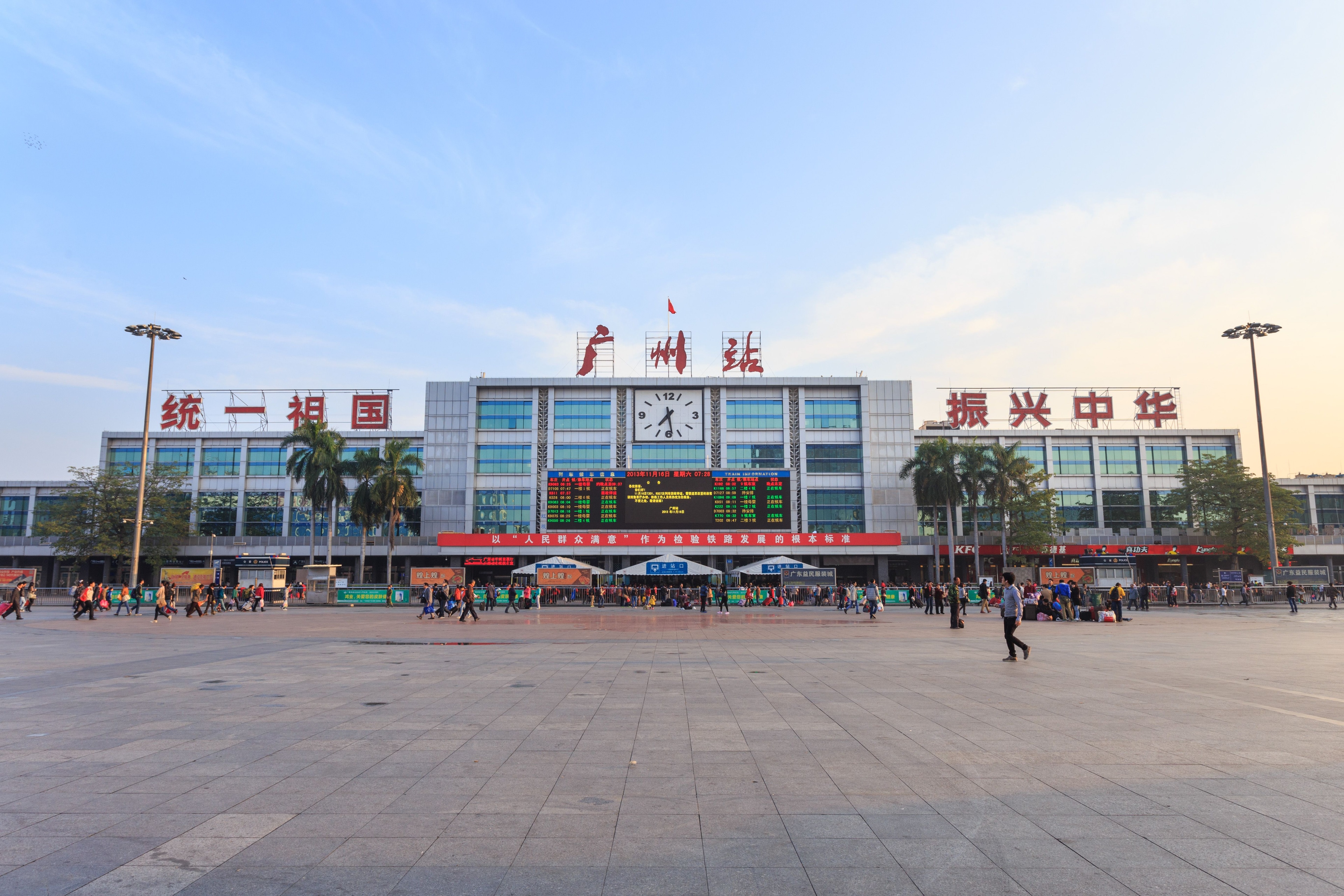
The cluster formed fast. Between 1992 and 1997 more than 5,000 leather-goods wholesalers set up here, drawn by proximity to Guangzhou Railway Station — five minutes away — and to the airport expressway, three minutes away. Guangdong province now accounts for something like 65% of China's leather bag production, and a great deal of it passes through these streets.
What the market sells
Sanyuanli covers the entire leather-goods chain, which is what separates it from a market that merely sells bags.
Materials come first: genuine leather in every finish, bonded and split leather, PU and other synthetics, lining fabrics and the chemicals used to treat and finish them. Then hardware — buckles, clasps, feet, zips, chain, rivets, logo plates — sold in sufficient variety that a designer can specify a bag entirely from stock components.
Then the finished goods: handbags, backpacks, wallets, belts, luggage and travel cases, across every price tier from street-market to contract manufacturing for recognised brands. Xiangyuan Road has a smaller concentration of original handcrafted leather goods, which is worth knowing about if your buy is not mass-market.
The practical consequence of all this is that Sanyuanli supports product development, not just purchasing. A sample can be specified, sourced and made within the district.
Prices, minimums and how buying works
Stock bags are sold per piece with a low minimum, typically a few units per style and colour. Custom production is where the market earns its reputation, and minimums there usually start somewhere between 100 and 500 pieces per style depending on the construction and the hardware.
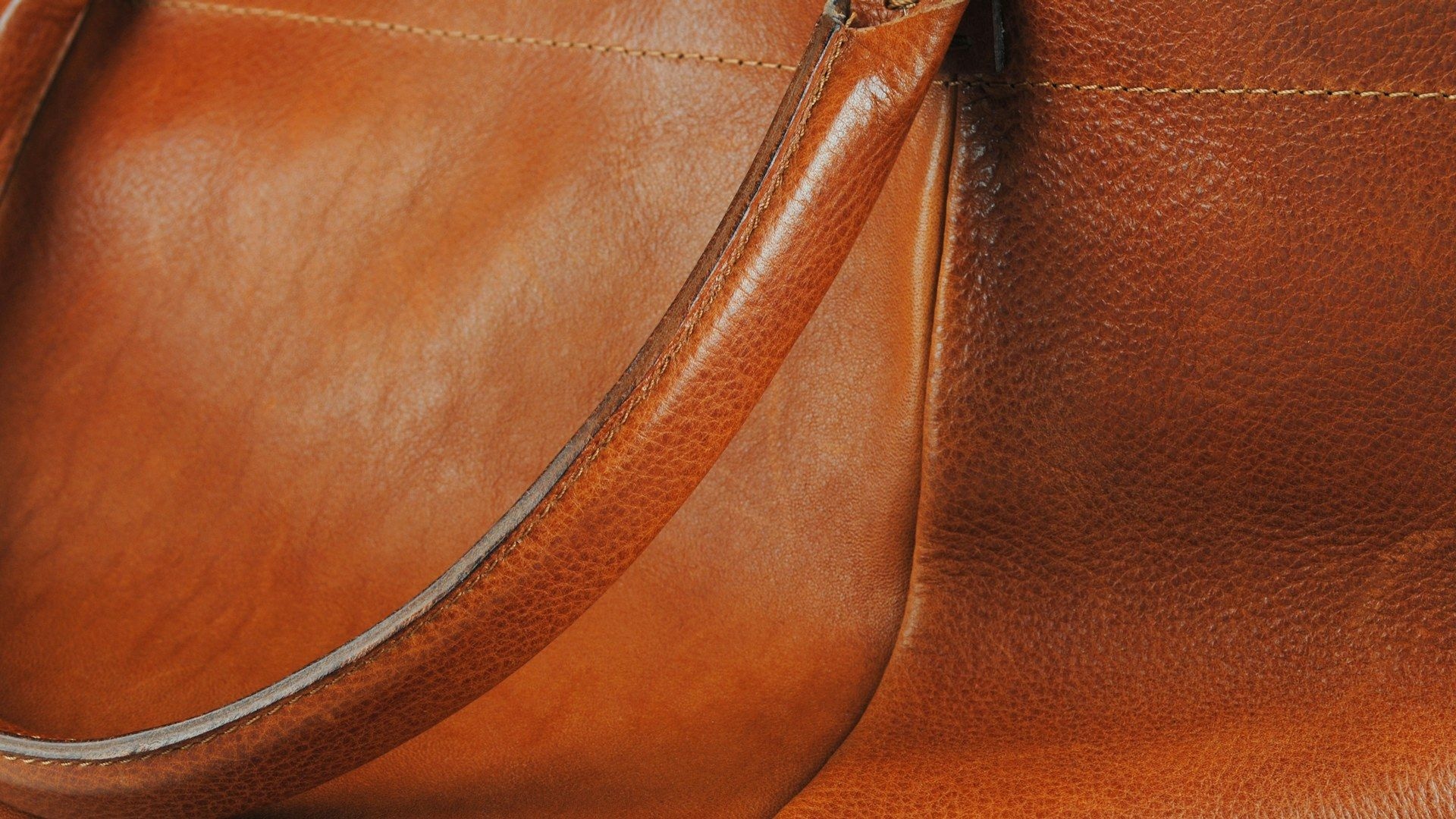
The single most important thing to establish is what "leather" means in a given quote. Genuine top-grain, split, bonded and PU differ enormously in cost and in how they age, and all four are described loosely in conversation. Ask for the material by name, ask to see a cut edge, and get it written on the quotation.
Hardware is the other quiet cost driver. Plated zinc alloy fittings and cheap plated steel look identical on day one and completely different after six months of use. If the product is going to carry your brand, specify the hardware as carefully as the leather.
Planning a visit
Sanyuanli station on Metro Line 2 sits at the edge of the district and Guangzhou Railway Station is one stop away. The airport expressway is minutes from the market, which makes this an efficient first or last stop on a sourcing trip.
The district is genuinely large and not well signposted. Pick two or three markets from a map before you arrive rather than wandering — a full day disappears very quickly here, and the streets look much the same from block to block.
Frequently asked questions
What minimum order should I expect for custom bags?
Usually between 100 and 500 pieces per style, depending on construction, materials and hardware. Stock bags can be bought in single-digit quantities.
Can I get genuine leather, or is it all synthetic?
Both are widely available. Be explicit about which you want — top-grain, split, bonded and PU are all commonly described simply as "leather" in conversation — and get the material named on the quotation.
Can I develop my own bag design here?
Yes. Materials, hardware and manufacturing all sit within the same district, which makes Sanyuanli unusually good for sampling and product development rather than just purchasing.
Location & opening hours
- Address
- قويهواقانغ / زيوانقانغ / جادة سانيوانلي، حي بايون، قوانغتشو
- Opening hours
- يوميًا؛ تفتح معظم المتاجر منتصف الصباح تقريبًا