- Clothing market
- Guangzhou
Baima Clothing Wholesale Market
Guangzhou's flagship garment market since 1993: China's first mall-style clothing wholesale centre, around 2,000 shops of mid-to-high-end womenswear and menswear beside the railway station.
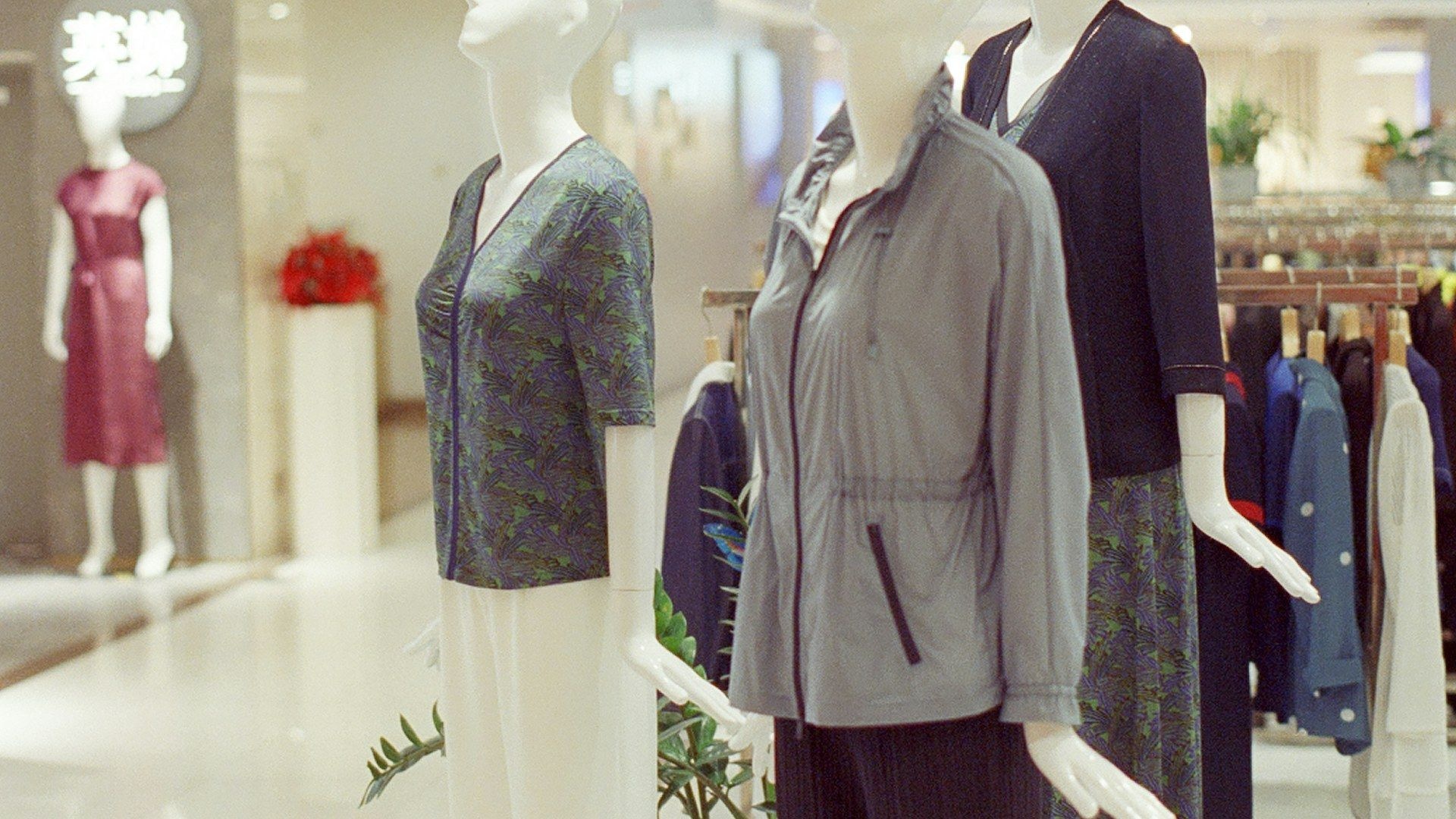
Baima opened in 1993 as China's first indoor, mall-style clothing wholesale market, and it has held the top of the Guangzhou garment trade ever since. By every measure the city uses — scale, fit-out, facilities, management, transaction volume — it is the leading mid-to-high-end clothing market in Guangzhou, and it is the building most overseas buyers are sent to first.
It sits at No. 16 Zhannan Road, directly south of Guangzhou Railway Station, at the heart of the Liuhua business district. Around 2,000 shops trade across its floors, and a notable number of them are the brand owners' own showrooms rather than agents. Several recognisable Chinese fashion labels — GIRDEAR, Gloria and Biemlfdlkk among them — began as stalls here.
What the market sells
Womenswear is the core and the reason for the building's reputation. The better-quality women's fashion — original designs, considered fabric, proper finishing — concentrates on the first, fourth and fifth floors, with lower-priced lines on the second and third. The sixth floor is given over to mid-to-high-end menswear.
What separates Baima from the markets around it is not the category but the positioning. Where Shisanhang sells trend at speed and Shahe sells volume at the lowest price, Baima sells product that a brand buyer would be comfortable putting their own label on: consistent sizing, proper fabric composition, and shops that expect to be asked about it.
Because so many tenants are brand owners with their own production, Baima is also one of the few Guangzhou markets where a private-label conversation can start at the stall rather than needing a factory introduction.
Prices, minimums and how buying works
Baima is the most expensive of Guangzhou's garment markets, and the premium buys a real difference in product. Minimums are still low by international standards — commonly a handful of pieces per style and colour for stock — but the useful conversation here is about the range rather than the price of three units.
Many showrooms operate more like agencies than stalls: you review a season's collection, place a pre-order, and take delivery when production completes. That suits a retailer building a considered range far better than the grab-and-go rhythm of the cheaper markets, but it means allowing lead time.
Ask about exclusivity. A number of Baima brands will restrict a style to one buyer per territory for a reasonable commitment, which is not something the volume markets can offer.
Planning a visit
Guangzhou Railway Station on Metro Lines 2 and 5 is a five-minute walk; the market is directly south of the station on Zhannan Road, beside Yima and the rest of the Liuhua cluster. Trading runs roughly 09:00 to 18:00.
Allow at least half a day. The floors are large and the showrooms are worth spending time in — this is not a market to sweep through with a handcart.
Frequently asked questions
How does Baima compare to Shisanhang and Shahe?
Baima is the top of the market — mid-to-high-end, brand-owned showrooms, higher prices. Shisanhang is trend-led and fast; Shahe is the lowest-priced volume option.
Which floors should I go to?
Better-quality womenswear on floors one, four and five; lower-priced lines on two and three; mid-to-high-end menswear on six.
Can I arrange private-label production through Baima?
Often, yes. Many tenants own their production and will discuss made-to-order or labelled runs directly at the showroom, given a reasonable commitment.
Location & opening hours
- Address
- رقم 16 Zhannan Road، حي يويشيو، قوانغتشو
- Opening hours
- يوميًا، من نحو 09:00 إلى 18:00