- Clothing market
- Guangzhou
Shisanhang Clothing Wholesale Market
Guangzhou's central garment-trading circle: around 20,000 stalls in Liwan District, on a street that has been trading cloth and clothing for over three hundred years.
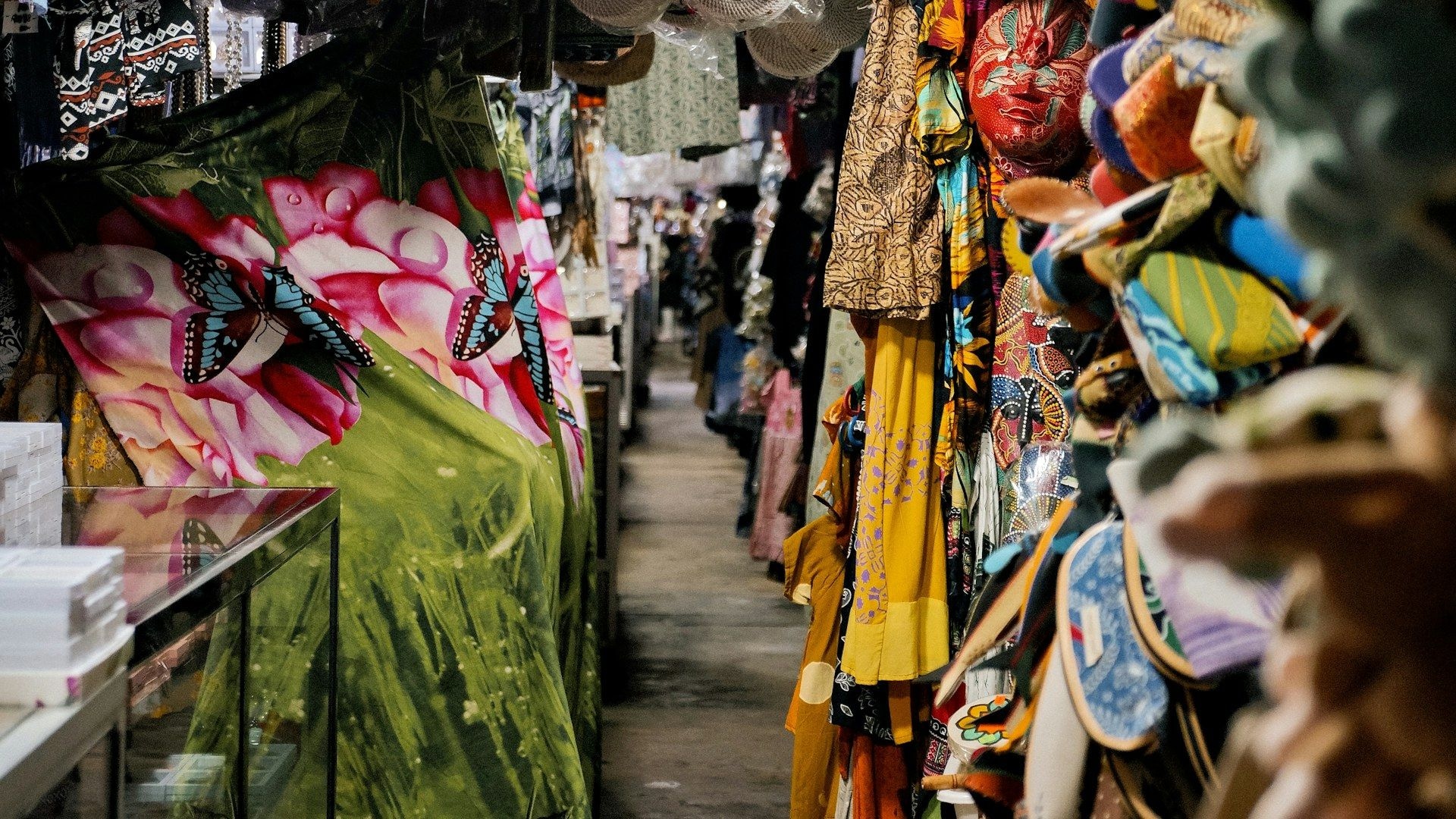
Shisanhang — the Thirteen Hongs — is the oldest trading name in Guangzhou still attached to a working market. The district takes its name from the Qing-dynasty foreign-trade factories that made this stretch of the Pearl River the only legal point of contact between China and European merchants for much of the eighteenth century. Guyi Street, one block over, has been trading for more than three hundred years.
The modern garment business is younger than the name suggests. Wholesale clothing trade took hold here in the 1980s and grew into what is now roughly 20,000 stalls, spread across Shisanhang Road itself and out into Guyi Street, Yangxiang Road and Heping East Road. Anchor buildings include the New China Building and the Hongbiantian Garment Trading Centre.
What the market sells
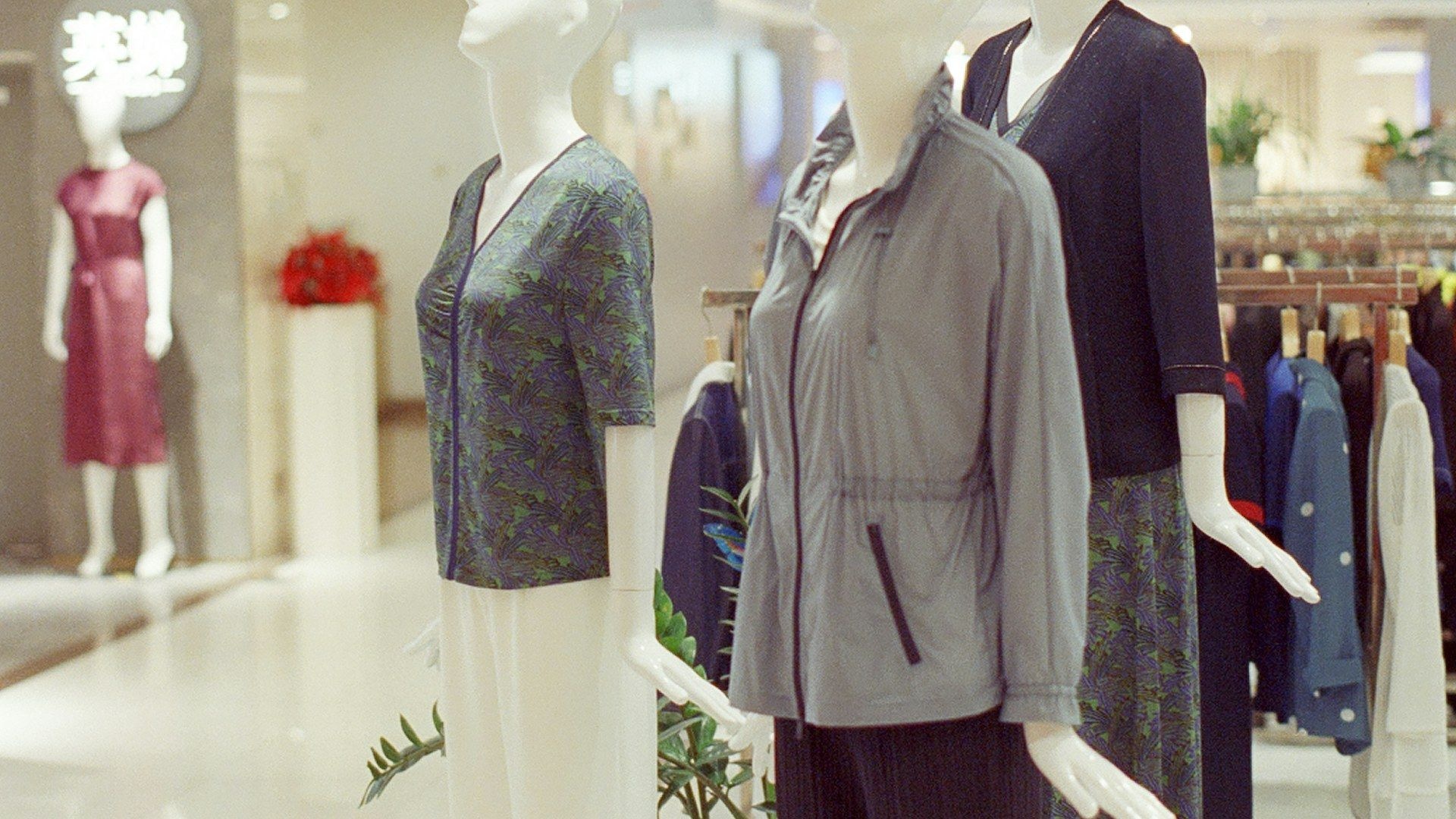
Shisanhang's centre of gravity is mid-to-low-priced women's fashion, turned over at speed. Styles arrive, sell and disappear inside a season, and the market's whole logistics apparatus — the handcarts, the packing services, the freight forwarders on every corner — exists to move that volume out of the building the same day it comes in.
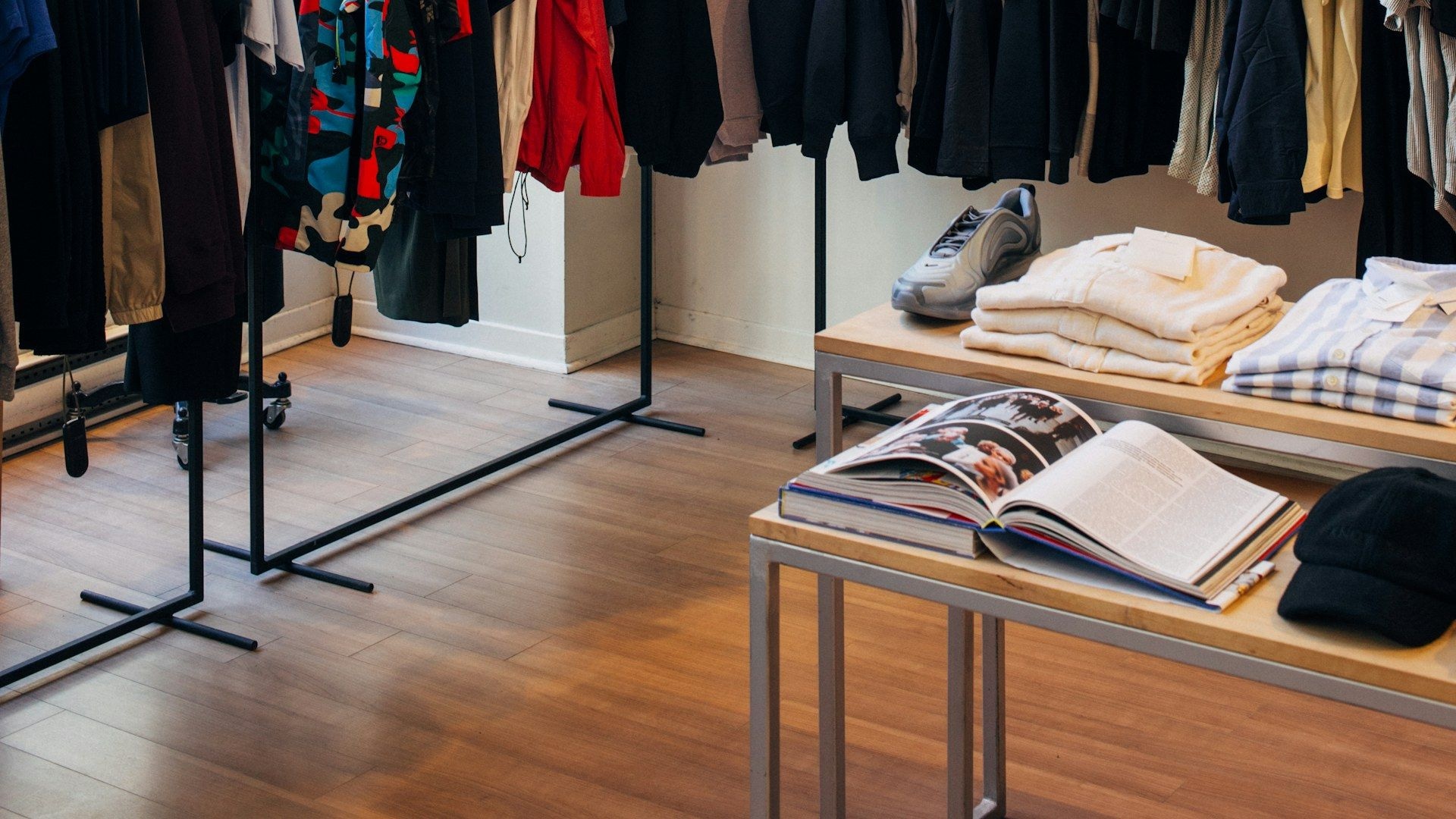
Around that core sits men's and children's wear, and a substantial sportswear trade for men, women and children. There is a widely repeated trade saying that around 80% of China's clothes are made in Guangdong, 80% of Guangdong's in Guangzhou, and 80% of Guangzhou's pass through Shisanhang. It is folklore rather than statistics, but it points at something real about how central this circle is.
What Shisanhang is not is a place to develop a product. Stalls sell what they have, in the sizes and colours they have. Buyers looking for made-to-spec production work with the factories behind the market, not with the stalls.
Prices, minimums and how buying works
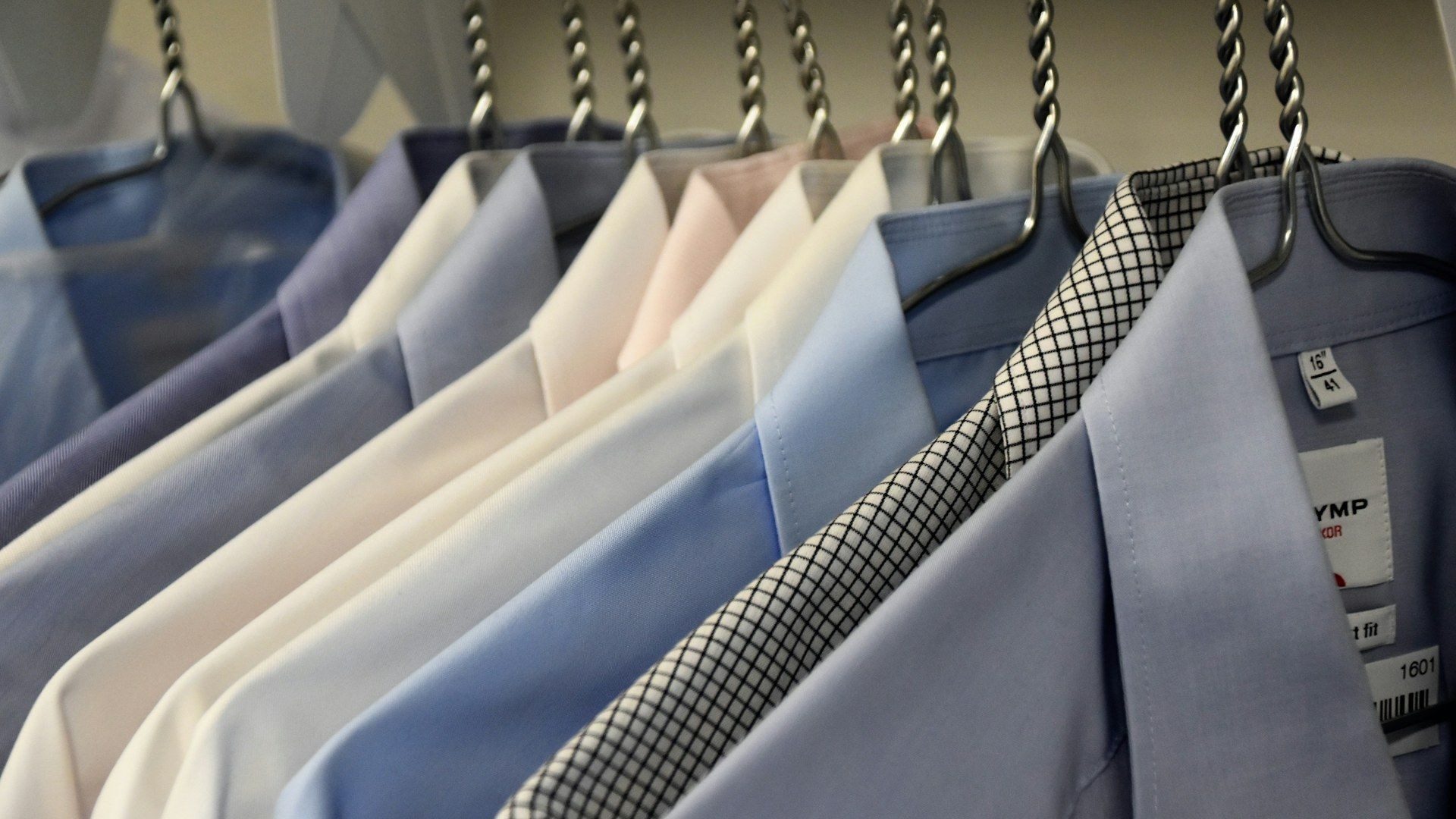
Most stalls price per piece and quote a wholesale rate at a handful of units — commonly three to five pieces per style and colour, sometimes a single mixed pack. That low threshold is what draws small independent retailers and online resellers here from across Asia and Africa.
Prices are keen and the margins behind them are thin, which has two consequences worth planning around. Quality is uneven and should be checked piece by piece, not assumed from the sample on the hanger. And bargaining works less well than newcomers expect — a vendor turning over hundreds of units an hour has little incentive to negotiate over three.
Almost every building has forwarding agents on site who will consolidate purchases from multiple stalls, pack them and arrange shipping. Using one is standard practice; trying to carry a day's buying yourself is not.
Planning a visit
The market sits in Liwan District, walkable from Culture Park station on Metro Line 6 and reachable from Huangsha on Lines 1 and 6. Traffic in the surrounding streets is heavy with loading all morning; the metro is consistently faster than a taxi.
Daily footfall runs into the hundreds of thousands. Go early, take cash as well as a phone-payment method, and expect the aisles to be genuinely crowded — this is a working wholesale market, not a shopping experience.
Frequently asked questions
What is the minimum order at Shisanhang?
Typically three to five pieces per style and colour, though some stalls will sell single mixed packs. It is one of the lowest wholesale thresholds of any major Guangzhou market.
Is Shisanhang really the source of most of Guangzhou's clothing?
That is a trade saying rather than an official figure. What is true is that Shisanhang has been the city's central garment-trading circle since the 1980s and still moves a very large share of its wholesale volume.
Can I have clothes made to my own design here?
Not at the stalls — they sell finished stock. Custom production runs through the factories that supply the market, which is a different conversation and usually needs an introduction.
How do I get my purchases home?
Use one of the freight-forwarding agents inside the market buildings. They consolidate across stalls, pack, and handle export documentation — it is the normal way buyers work here.
Location & opening hours
- Address
- Shisanhang Road، حي ليوان، قوانغتشو
- Opening hours
- يوميًا؛ تفتح معظم المحال في منتصف الصباح ويغلق كثير منها في وقت مبكر بعد الظهر