- Clothing market
- Guangzhou
Shahe Clothing Wholesale Market
Guangzhou's second-largest garment wholesale district, grown out of a Qing-dynasty fair ground into three specialised wholesale cities in Tianhe.
Shahe began as a garrison-town fair — a spontaneous farmers' market that gradually took on cloth and clothing through the 1980s. In 1985 a major fire nearly destroyed it. The government-backed rebuild that followed replaced the stalls with partitioned, purpose-built shops, and that rebuild is what allowed Shahe to grow into the three specialised wholesale cities it has today: Changyun, Wanjia and Shadong.
It is now generally ranked Guangzhou's second-largest garment wholesale district, after Shisanhang, and one of the three major garment distribution centres in South China. Wanjia Wholesale Plaza alone, built in 1996, covers more than 50,000m² and holds over 1,200 shops.
What the market sells
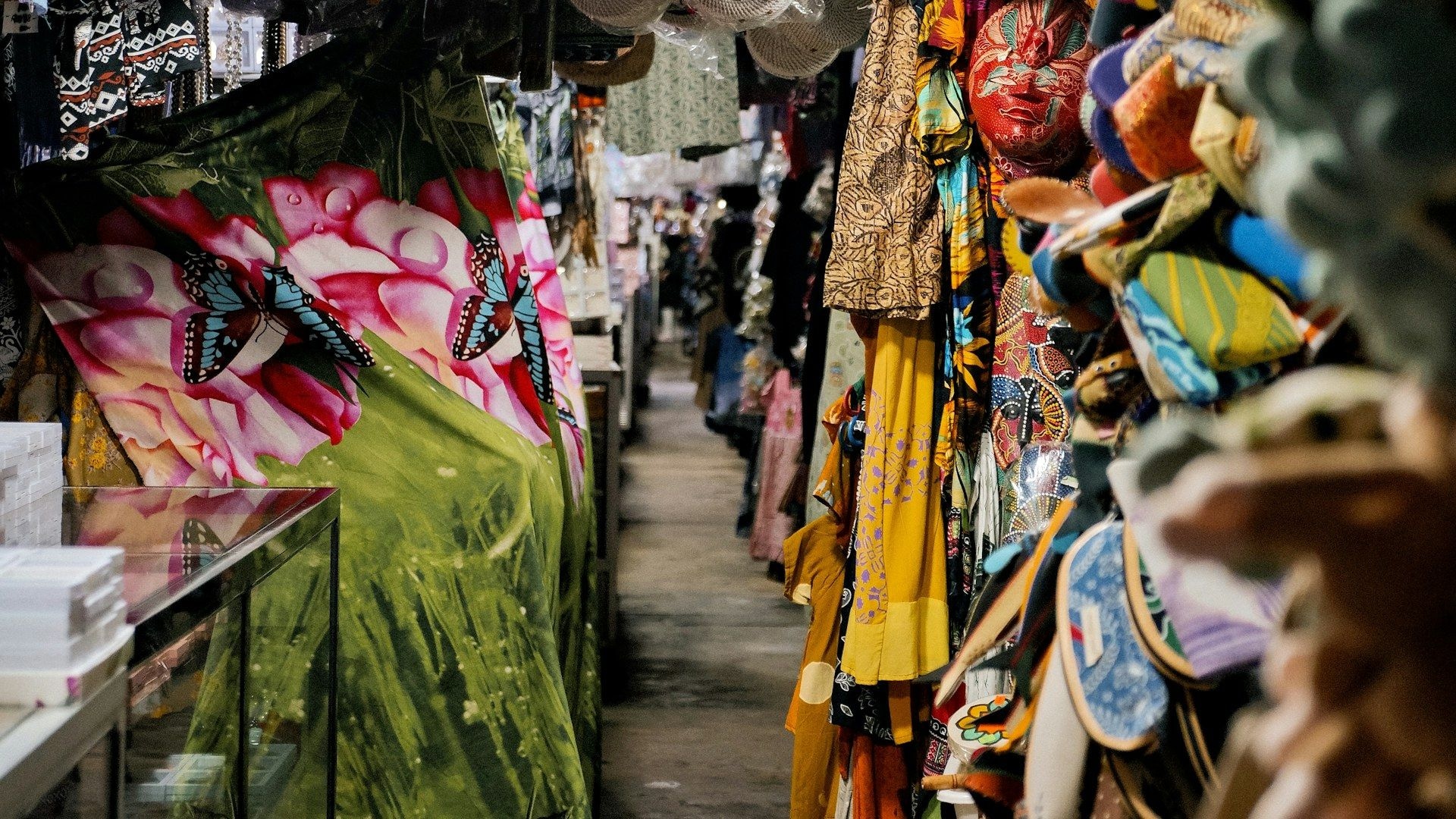
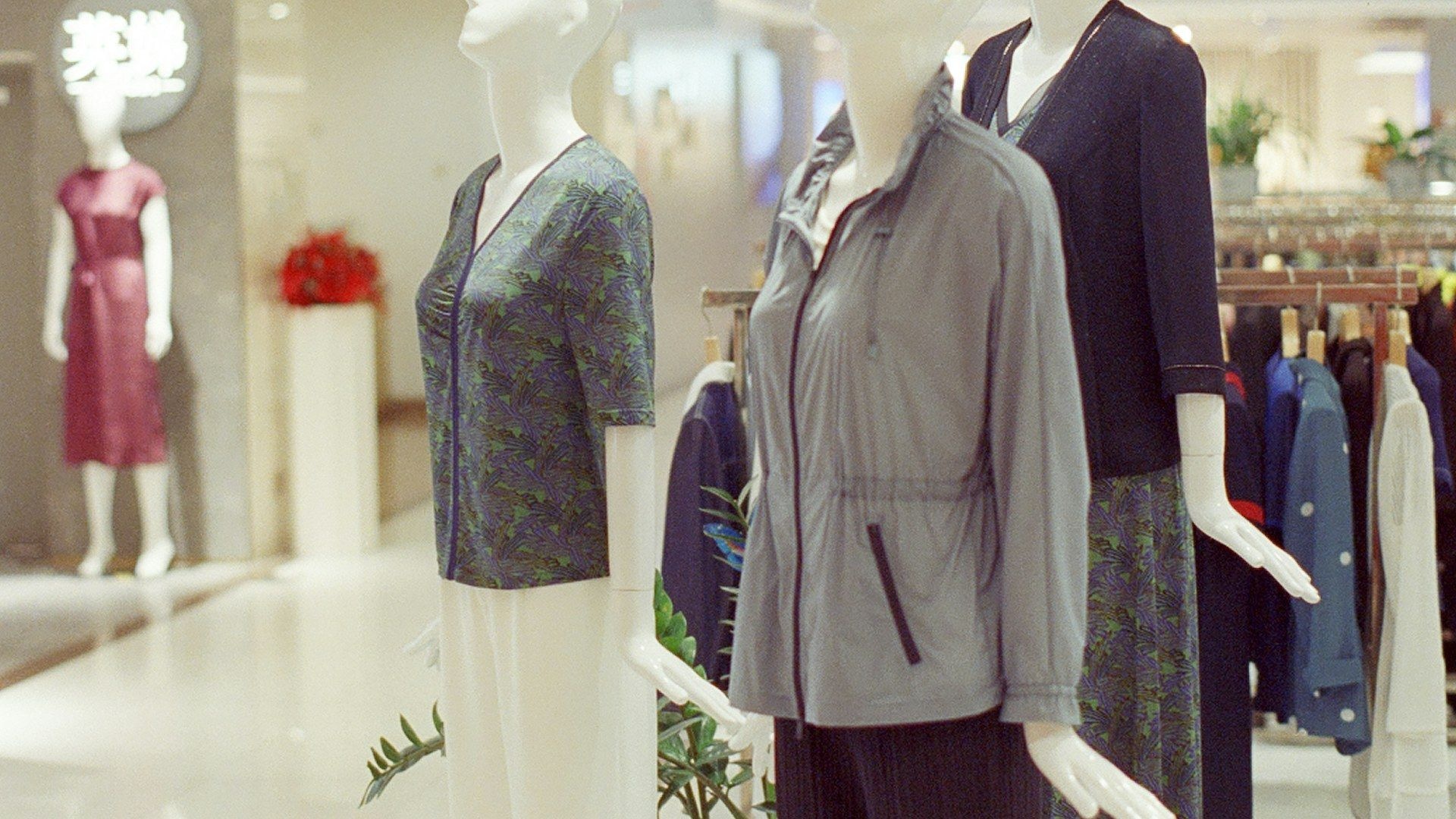
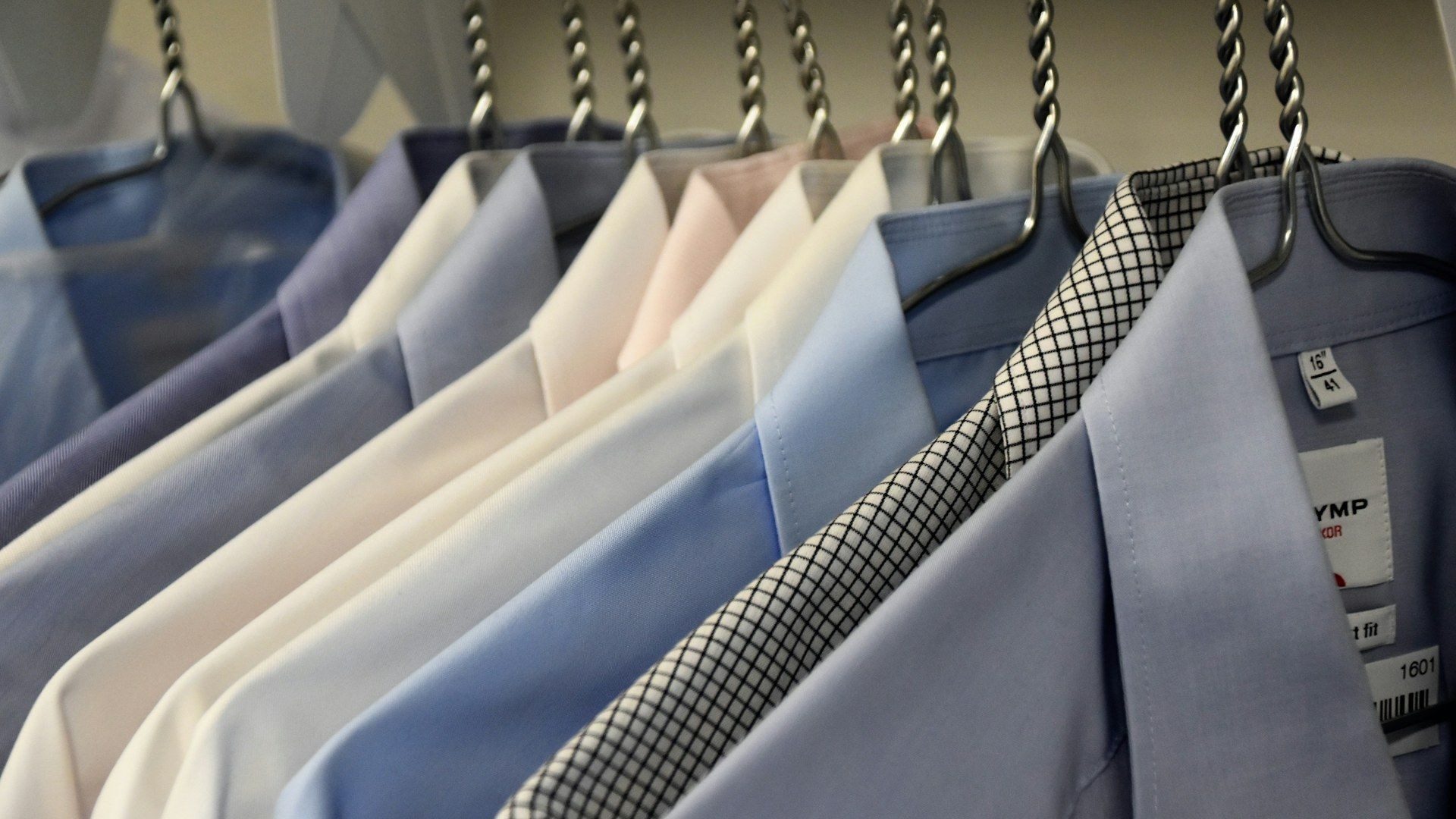
Shahe trades fast-fashion women's and men's wear at the value end of the market. Where Shisanhang skews toward trend-led womenswear, Shahe carries more basics and more volume: tee shirts, sweatshirts, casual trousers, and — at Wanjia in particular — dresses, skirts, winter coats and down jackets.
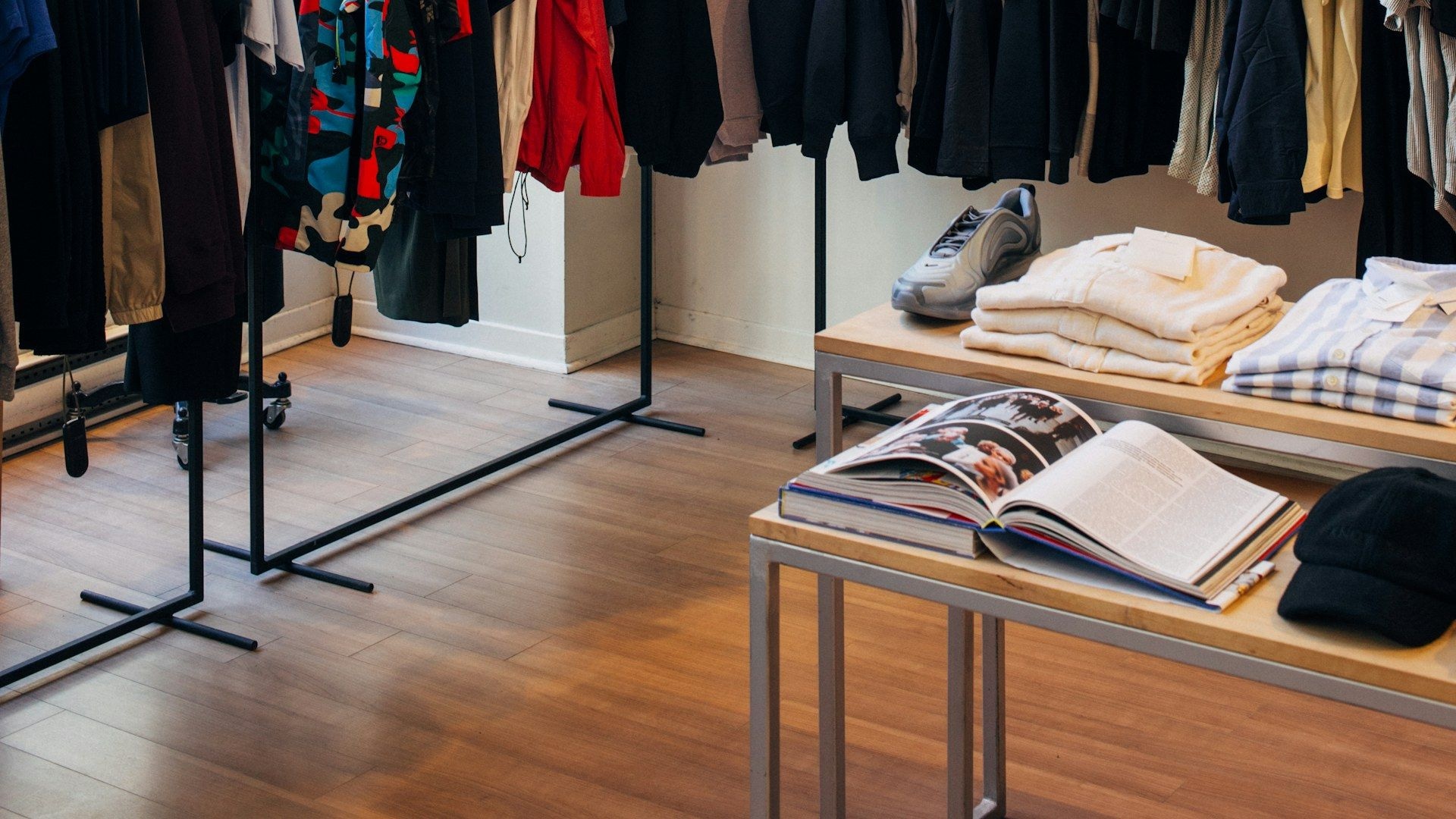
The district was also an early adopter of online wholesale. A significant share of its trade now runs through live-stream selling and e-commerce supply, which shows up physically in the market: shops set up for filming, packing stations, and stock held for same-day dispatch rather than displayed for browsing.
Order sizes sit in an unusual middle ground. Shahe will serve a retail-sized buyer taking a handful of pieces, but the pricing is built around the reseller taking a few hundred.
Prices, minimums and how buying works
Shahe is a price market. It is among the cheapest places in Guangzhou to buy finished clothing in quantity, and buyers come specifically for that. The corollary is that quality varies widely between shops selling apparently identical goods, so inspection matters more here than almost anywhere else in the city.
Minimums are low — often a few pieces per style — but the real price break comes at volume. Ask for the price at ten, at fifty and at two hundred; the curve is usually steep, and the number a vendor first quotes is rarely the one that applies to a serious order.
Trading starts extremely early. Parts of Shahe are busiest between four and eight in the morning, when resellers buy for the day, and the market winds down through the afternoon. If you arrive at noon you are seeing the tail of the day's trade.
Planning a visit
Shahe is in Tianhe District, reachable from Shahe station on Metro Line 6 and from Tianhe Coach Terminal. It is a compact district by Guangzhou standards — the three wholesale cities are within walking distance of one another, which makes it an easy half-day stop.
Bring cash and a phone payment method, and be prepared for narrow, crowded aisles with handcarts moving through them constantly. Quality checking is worth doing on the spot; returns after the fact are not realistic.
Frequently asked questions
How does Shahe compare to Shisanhang?
Shahe is Guangzhou's second-largest garment wholesale district and skews cheaper and more basic; Shisanhang is larger and more trend-led. Wanjia Plaza alone covers over 50,000m² with more than 1,200 shops.
What time should I arrive?
Early. Much of Shahe's trade happens between roughly 04:00 and 08:00, and the market quietens through the afternoon.
Is the quality reliable?
It varies considerably, including between neighbouring shops. Inspect what you buy piece by piece rather than assuming the hanging sample represents the carton.
Location & opening hours
- Address
- شاهه، حي تيانخه، قوانغتشو
- Opening hours
- يوميًا؛ يبدأ التداول باكرًا جدًا وتغلق معظم المحال بحلول أواخر ما بعد الظهر