- Clothing market
- Guangzhou
Shijing Clothing Wholesale Market
Baiyun District's clearance circle: 24 specialised markets dealing in surplus stock, tail-end runs and live-stream supply at the lowest prices in Guangzhou.
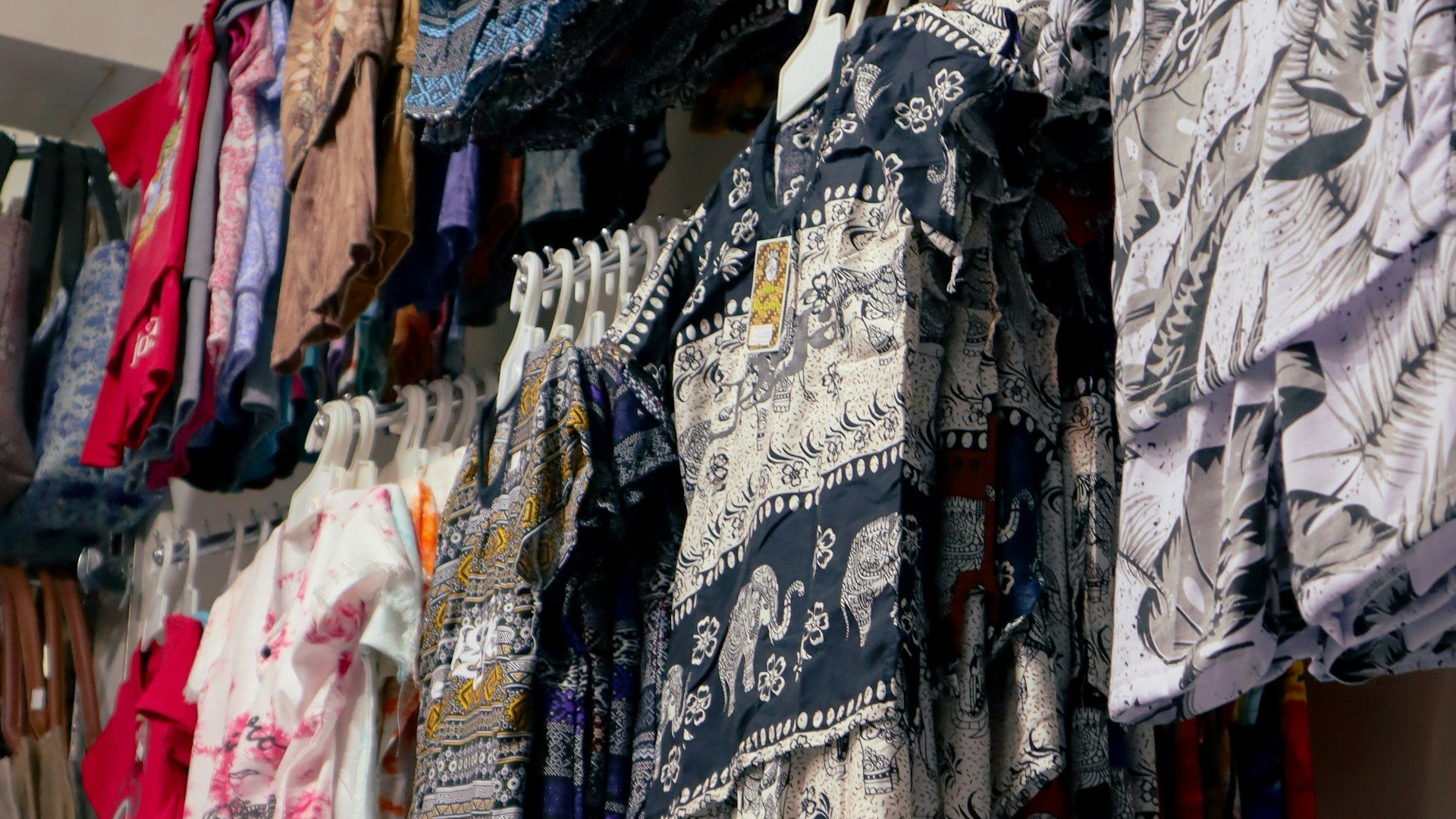
Shijing is where Guangzhou's garment industry sells what it did not sell elsewhere. It is one of the city's four main clothing wholesale circles and is widely described as China's largest market for surplus and clearance goods — 24 specialised markets, of which Qingfeng Garment City alone covers around 800 mu, roughly 53 hectares.
That specialisation is the whole proposition. Prices are the lowest of any major Guangzhou circle, and the reason is that the stock is overrun, cancelled orders, end-of-season and tail-end production rather than current-season goods made for wholesale.
What the market sells
The circle splits into two broad tiers, and knowing which one you want before you arrive saves a wasted day.
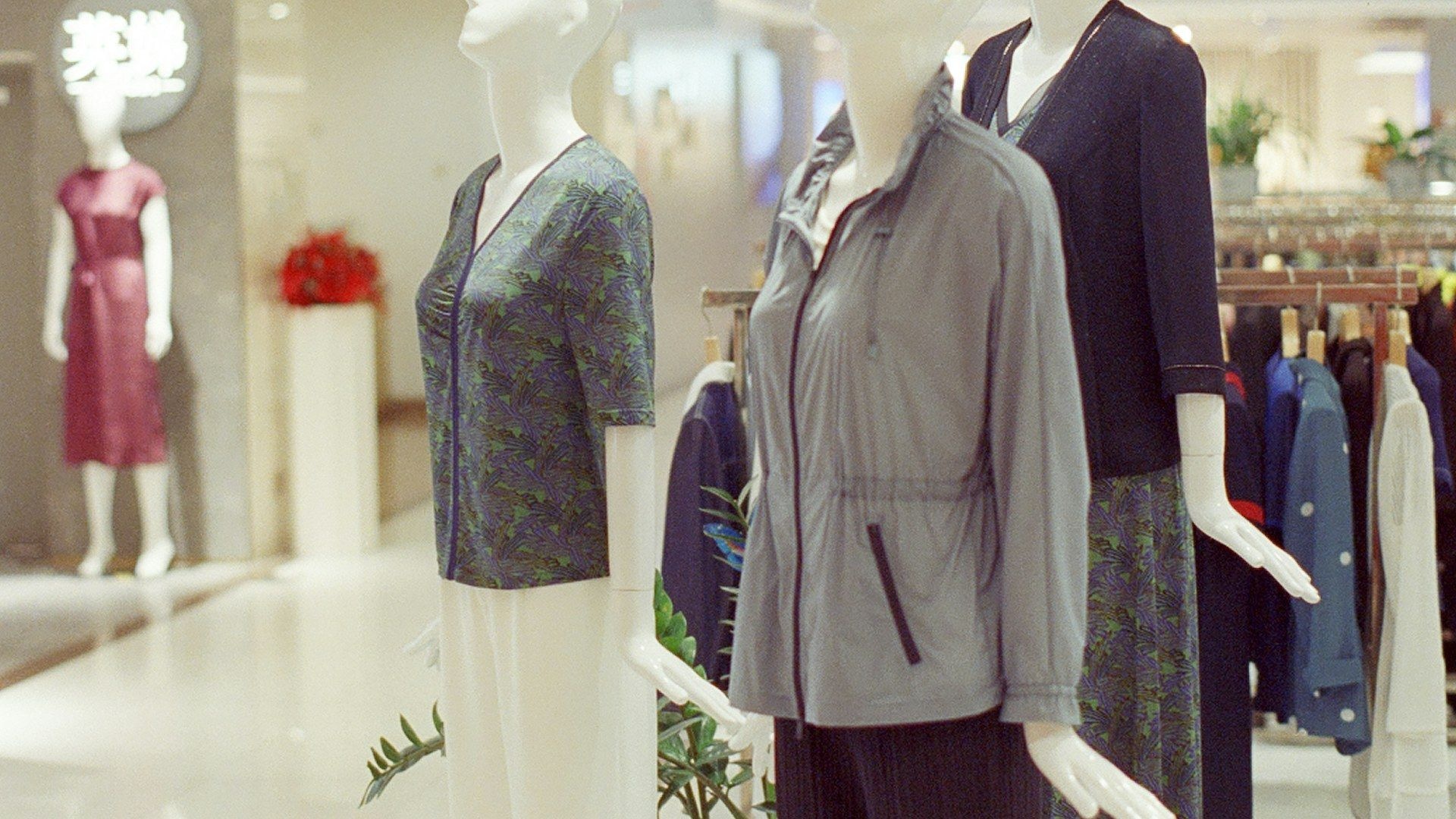
Guang Da Clothing Trade City, on Shitan West Road, is the better-quality end. Phase 1 carries men's and women's fashion; Phase 2 covers leather goods, children's wear and denim. Guang Da was also one of the earliest live-streaming supply-chain hubs in the city, and much of its stock is bought by online sellers rather than physical retailers. Overstock here skews toward dresses, coats and down jackets in sound condition.
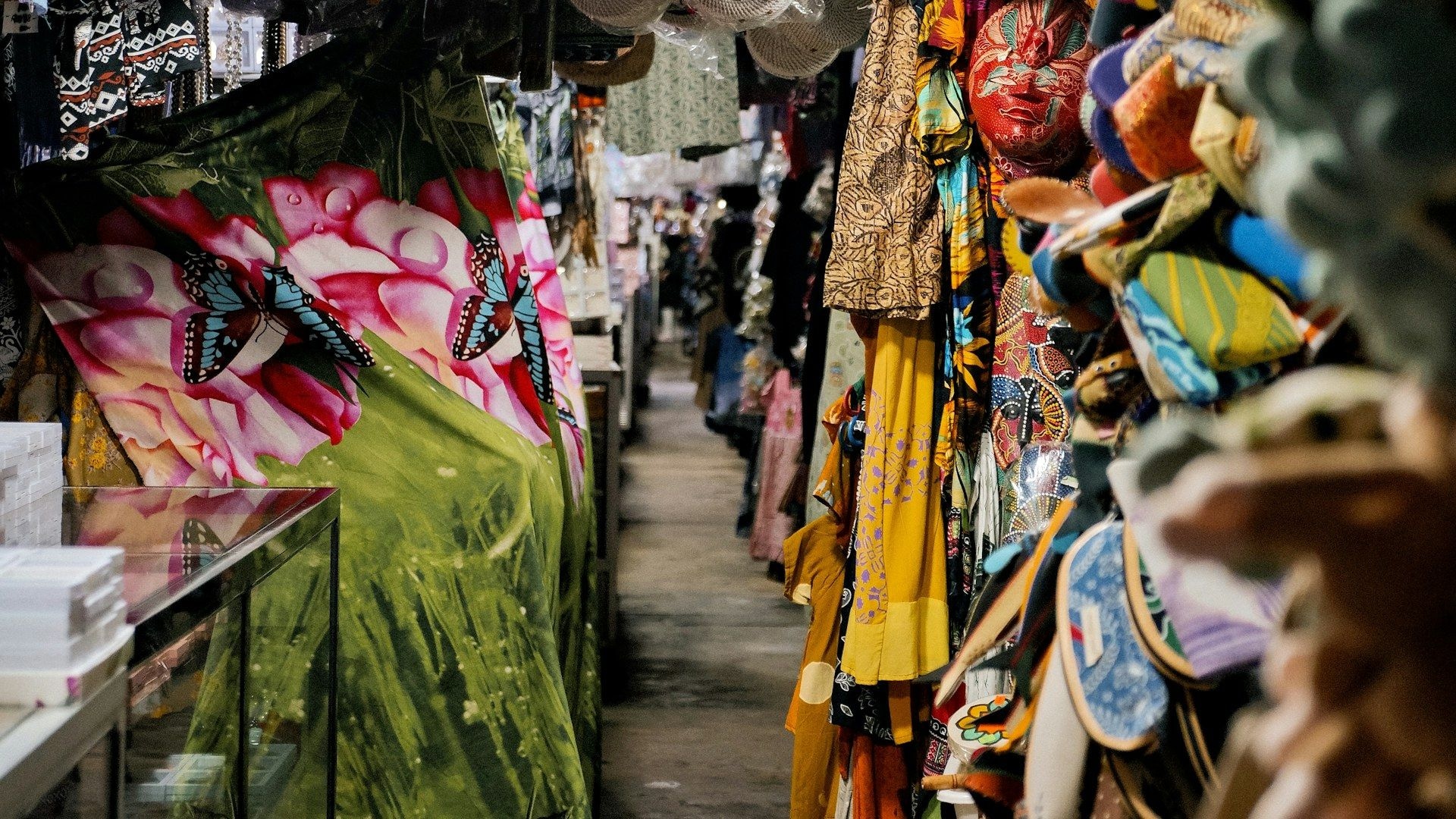
Qingfeng Garment City and Shijingwei Market sit at the deeper-discount end: higher volume, lower prices, more variability. Shijingwei in particular specialises in discounted surplus across clothing, shoes and accessories. This is street-stall and market-trader supply, bought by the bale as often as by the piece.
Other named markets in the circle include the Jindong Garment Trade Centre. In total the 24 markets cover most garment categories, but almost always as surplus rather than as made-to-order production.
Prices, minimums and how buying works
Shijing prices are genuinely low, and the thing you give up for them is predictability. Sizes come in whatever ratio the original order left behind, colours are rarely complete, and you cannot reorder — when a lot is gone, it is gone. Buyers who work here successfully treat every purchase as a one-off.
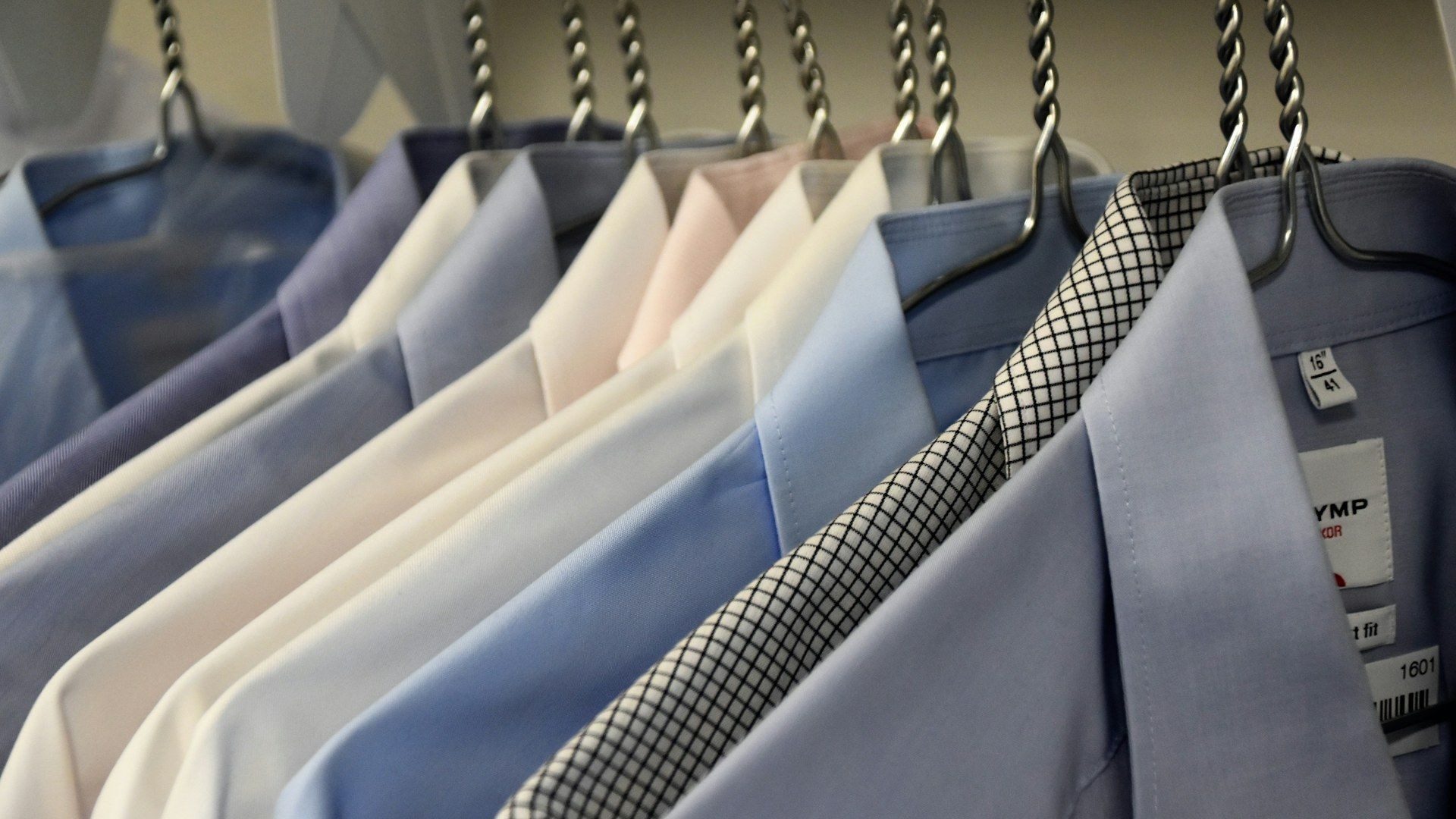
Inspect before you buy, and inspect the carton rather than the sample. Surplus lots frequently contain seconds mixed in with first-quality goods, and the discount already assumes you have accounted for that. Agree explicitly whether a price is for the lot as-is or for inspected goods.
Volume buying is normal here — by the bale at the Qingfeng end, by the carton at Guang Da. If your business is small-quantity and repeat-order, Shijing is probably the wrong market and Shahe or Shisanhang is the right one.
Planning a visit
Shijing is in northern Baiyun District, further from the city centre than Guangzhou's other clothing circles. Metro Line 8 serves the area, but most buyers travelling with goods use a car — the markets are spread out and moving bales between them on foot is not practical.
Go with a clear budget and a clear category. The temptation in a clearance market is to buy widely because everything looks cheap; the buyers who do well here go in knowing exactly what they can resell.
Frequently asked questions
What exactly is sold at Shijing?
Mostly surplus and clearance stock — overruns, cancelled orders and end-of-season goods — across menswear, womenswear, children's wear, denim, shoes and accessories.
Can I reorder something I bought here?
Almost never. Surplus lots are one-offs by definition. If you need repeat supply, buy from a market selling current production instead.
Is Shijing suitable for small buyers?
Less so than Shahe or Shisanhang. Pricing here assumes carton or bale quantities, and the size and colour ratios rarely suit a small, curated buy.
Location & opening hours
- Address
- Shitan West Road، شيجينغ، حي بايون، قوانغتشو
- Opening hours
- يوميًا؛ تفتح معظم المحال في منتصف الصباح