- Fabric market
- Dongguan
Dalang Knitwear Market
Dalang Town makes roughly one in five of the world's sweaters. Its woolen knitwear trade centre puts yarn, knitting, dyeing and finished garments in one place.
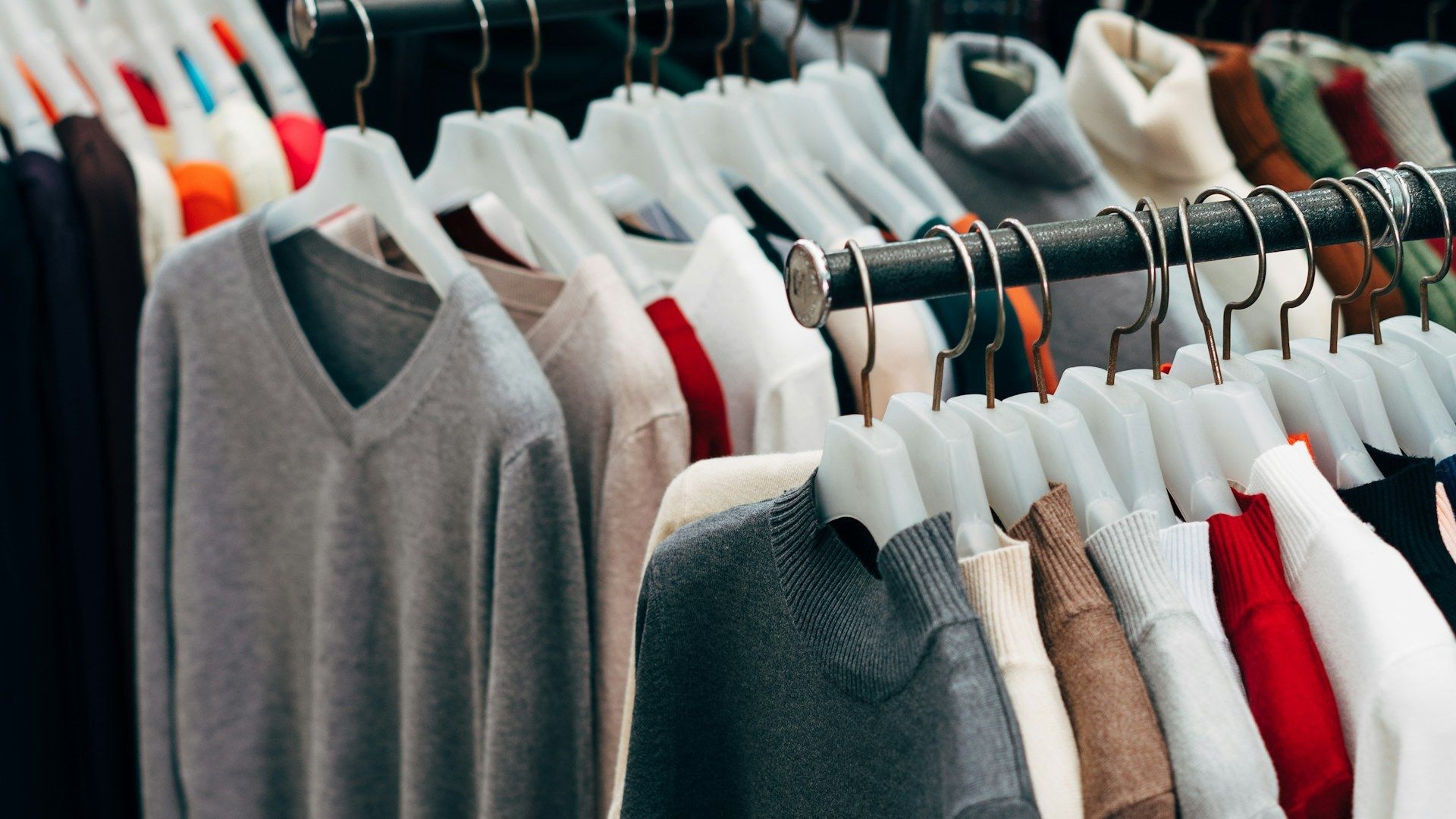
Dalang is a town of about half a million people an hour east of Guangzhou, and it is where a startling share of the world's knitwear is made. The commonly quoted figure is one sweater in five, globally. Whether or not that number survives close auditing, the scale on the ground is not in doubt: the town's knitting industry employs tens of thousands of people and pulls in yarn from mills across China and abroad.
The trade traces back to 1979, when the town's first wool-fabric factory opened during the earliest wave of Guangdong's reform-era industrialisation. What began as contract knitting for Hong Kong buyers grew into a full local supply chain — yarn trading, dyeing, knitting, linking, washing and finishing — concentrated within a few kilometres.
What the market sells
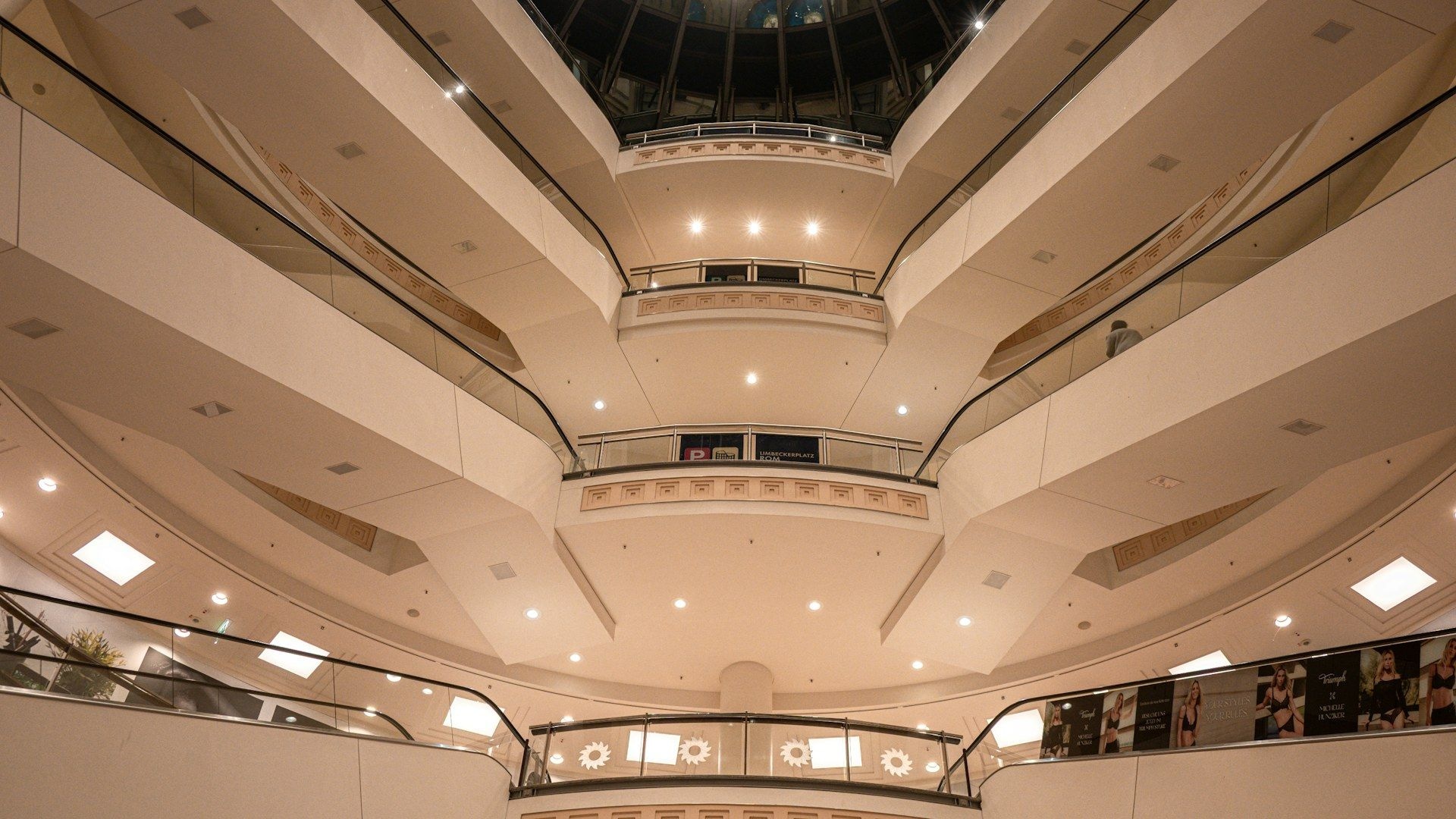
The China·Dalang Woolen Knitwear Trade Center, built in 2003 and covering around 90,000m², is the commercial front of that industry. It is where yarn suppliers and garment makers meet buyers, and it is organised around two quite different kinds of trade.
The first is yarn. Dalang's yarn market handles wool, cashmere blends, acrylic, cotton blends and an ever-changing catalogue of novelty and fancy yarns — traders introduce thousands of new varieties in a typical year, which is what lets brands chase a new hand-feel season after season. Buyers here are usually specifying for a knitting programme rather than buying off the shelf.
The second is finished knitwear: sweaters, cardigans, knitted tops and dresses, from mass-market acrylic up to fine-gauge merino and cashmere. Because the knitting floors are local, the gap between "we like this sample" and "we have a costed production plan" is unusually short.
Every November the town hosts the China (Dalang) International Woolen Sweater Products Trade Fair — the 21st edition in 2024 ran 800+ booths and around 2,000 trading stalls. If you can time a trip to it, you will see more of the supply base in three days than in three separate visits.
Prices, minimums and how buying works
Knitwear costs are driven by yarn, gauge and labour, roughly in that order. A coarse-gauge acrylic sweater and a 14-gauge merino one can differ by an order of magnitude, and most of that gap is fibre. Get the yarn decision right first; everything downstream is easier to cost once it is fixed.
Minimums in Dalang are set per colour and per style rather than per order. Several hundred pieces per colourway is a normal starting point for a dedicated production run, and the mills will usually be flexible on total order size if the colour count is low. Asking for eight colours at fifty pieces each is the request that gets quoted expensively or declined.
Because the whole chain sits locally, sampling is fast — a knit-down (a sample panel showing gauge, stitch and yarn) can often come back within a couple of days. Always approve a physical knit-down before a production run. Gauge and stitch density read completely differently in a photograph.
Planning a visit
Dalang sits in central-eastern Dongguan, around 90 minutes by road from Guangzhou and 60 from Shenzhen. Dongguan's rail and metro network reaches the town, but most buyers travelling with samples arrange a car — the yarn market, the trade centre and the knitting factories are spread across the town rather than clustered on one street.
This is a supply-chain town rather than a tourist one. Plan for a working visit: come with a technical brief, an idea of your target price, and enough time to see at least two factories alongside the trade centre itself.
Frequently asked questions
Is Dalang a market for yarn or for finished sweaters?
Both, and the two sit side by side. The trade centre hosts yarn traders and finished-knitwear suppliers, which is exactly why brands come here rather than buying yarn and knitting somewhere else.
What minimum order should I expect for a custom sweater?
Typically several hundred pieces per colourway. Keeping the colour count low is usually a better lever on total cost than pushing the total quantity down.
Can I visit knitting factories directly?
Yes, and you should. Factory visits are routine here, and seeing the knitting and linking floors tells you more about quality than any sample. Arrange them in advance rather than turning up.
Location & opening hours
- Address
- 233 Fukang Road، مجتمع شيانغتو، بلدة دالانغ، دونغقوان
- Opening hours
- أيام الأسبوع، ساعات العمل المعتادة؛ يختلف الأمر بين التجار