- Fabric market
- Dongguan
Humen Fumin Fabric Market
Humen's oldest and largest fabric market: three phases, more than a thousand shops and over 5,000 fabric varieties, anchoring a business circle of nine markets.
Fumin opened in 1997 and is the market the rest of Humen's fabric trade grew around. It remains the town's largest and one of the bigger garment fabric and accessory wholesale markets in South China — three phases of trading floors, more than a thousand shops, over 20,000m² of parking and close to 30,000m² of warehousing behind them.
The warehousing is the detail that explains the market. Fumin is built for factories that reorder, so the stock sits on site rather than being called down from Zhejiang. More than 5,000 fabric varieties are held, most sold directly by the manufacturer rather than through a trader, with resident merchants drawn from the textile regions of Jiangsu, Zhejiang, Fujian, Taiwan and Guangdong.
What the market sells
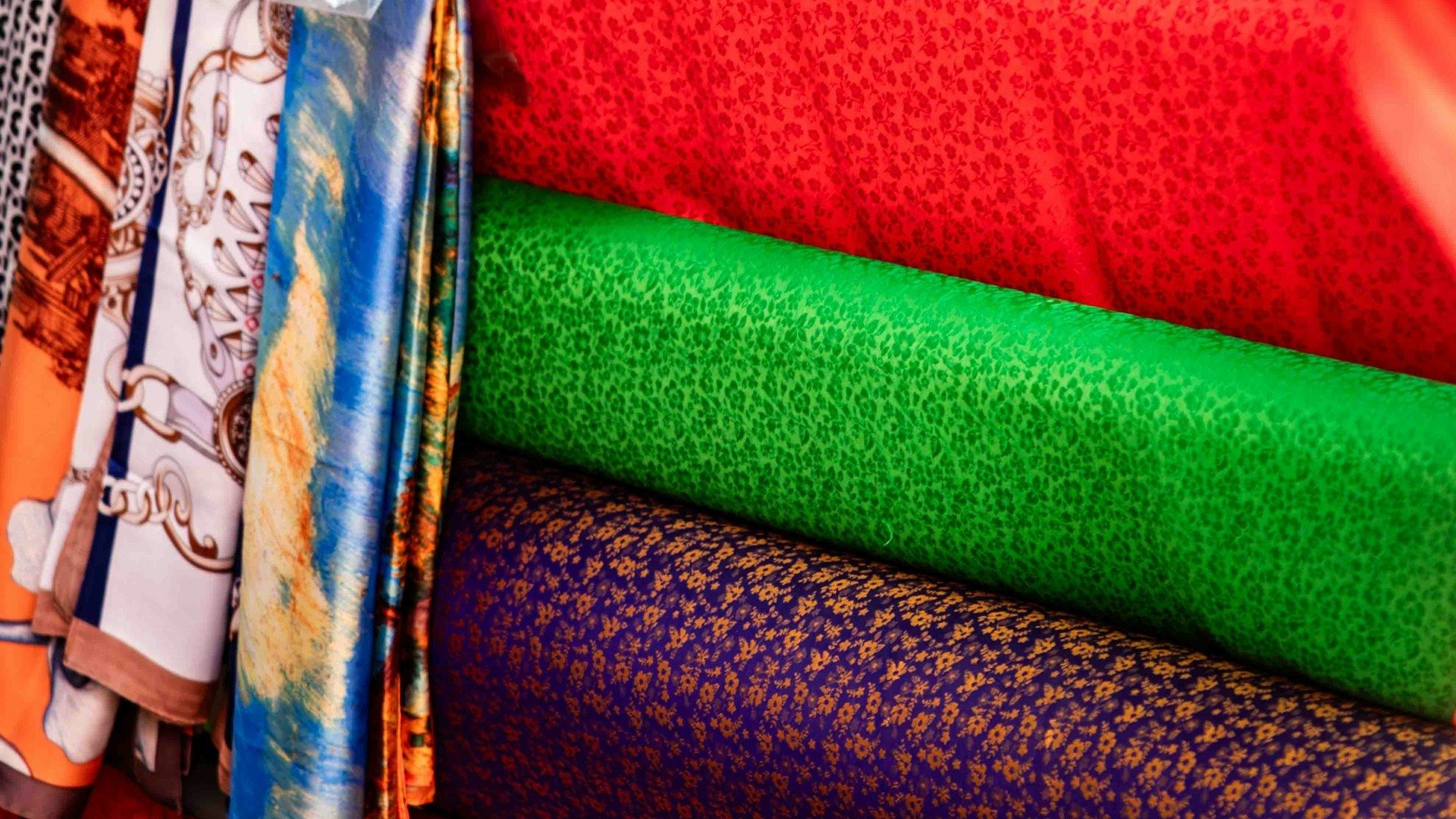
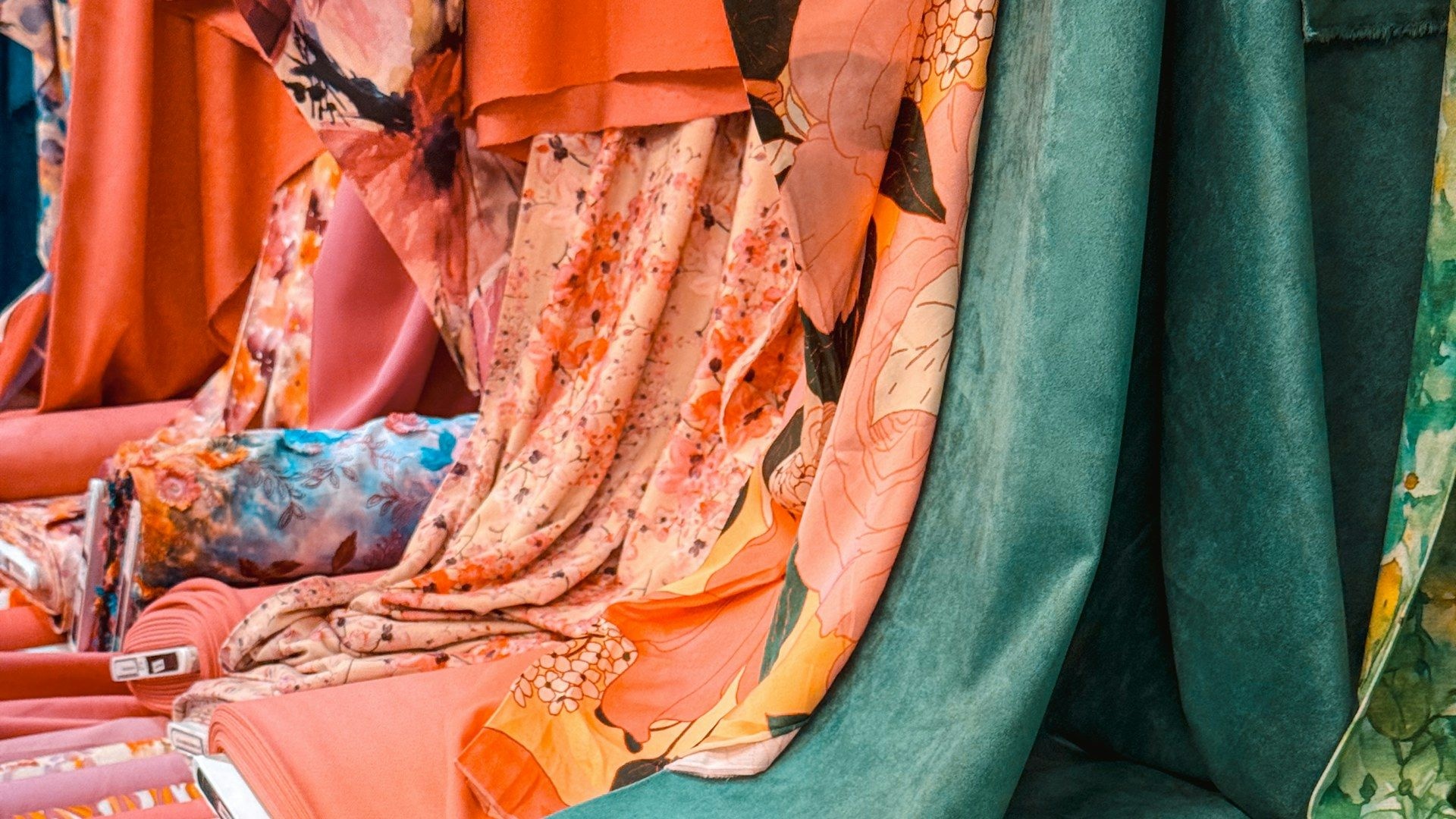
Garment fabric is the core — imported and domestic, woven and knit, in the weights Humen's own factories consume. Around it sits a range that is wider than a pure apparel market would carry: curtain fabric, toy fabric, greige cloth and decorative furnishing textiles all trade here alongside dress goods.
The accessory side is substantial enough that many buyers come for it alone. Zips, buttons, decorative metal cord, webbing and tape, garment hangtags and premium sequins are all held in depth, which is what lets a factory specify a whole garment inside one building.
Fumin also runs a leather and leather-goods section, and a dedicated accessories city sits adjacent under the same ownership — the market is best thought of as a complex rather than a single hall.
Prices, minimums and how buying works
Fumin's pricing sits close to Guangzhou's, and buyers who work both usually say the same thing: the price list is comparable, the service is not. Humen suppliers are markedly more generous with swatches and accessory samples, which makes the market a better place to develop a specification than to hunt for the lowest number.
Because so much stock is held on site, lead times on repeat orders are short — often same-day for a fabric a factory already runs. That is worth more than a small unit-price difference once you are in production.
Minimums follow the regional norm: buy from stock by the roll, expect a few hundred metres per colour for dye-to-order. Ask which phase a vendor's warehouse is in; the ones with stock behind them can confirm availability immediately instead of calling a mill.
Planning a visit
The market is at the Guantai Road junction on the Bomei Road section of Humen Town, a short drive from Humen railway station on the Guangzhou–Shenzhen intercity line. Trading runs roughly 08:30 to 18:00, on the factory day rather than the retail one.
Fumin sits at the centre of a cluster of adjacent fabric and accessory markets — the International Fabric Trading Centre, the Bomei trade centre, the Taixing accessories city and the leather market among them — so plan to walk between several buildings rather than treating it as one stop.
Frequently asked questions
Is Fumin cheaper than Guangzhou's Zhongda?
Prices are broadly comparable. What Humen offers instead is deeper on-site stock, shorter reorder lead times and suppliers who are more generous with swatches and samples.
Does it sell accessories as well as fabric?
Yes, in depth — zips, buttons, webbing, decorative cord, hangtags and sequins, plus an adjacent accessories city and a leather section.
How big is it?
Three phases with more than 1,000 shops, over 20,000m² of parking and close to 30,000m² of warehousing, holding upwards of 5,000 fabric varieties.
Location & opening hours
- Address
- رقم 8، مقطع Bomei Road، تقاطع Guantai Road، بلدة هومن، دونغقوان
- Opening hours
- يوميًا، من نحو 08:30 إلى 18:00