- Fabric market
- Dongguan
Humen Fabric & Accessory Markets
An eleven-market cluster along Renmin North Road supplying Humen's garment industry with fabric, trims and accessories — and turning over more than ¥2bn a year doing it.
Humen's fabric trade exists because Humen makes clothes. The town took in its first imported-materials processing work in 1978, at the very start of China's opening up; by the late 1980s more than 600 garment businesses were operating there, and the fabric market grew alongside them as a service industry rather than as a destination in its own right.
That origin still shapes how the market behaves. Where Guangzhou's Zhongda serves designers, traders and buyers from across Asia, Humen's fabric cluster is tuned to the factory next door: faster, more practical, and organised around keeping production lines running rather than around browsing.
What the market sells
The trade runs along both sides of Renmin North Road and is really eleven markets working as one, anchored by the Fumin Cloth Market — the oldest and largest — and the Humen International Cloth Center. Combined annual turnover is generally put above ¥2bn.
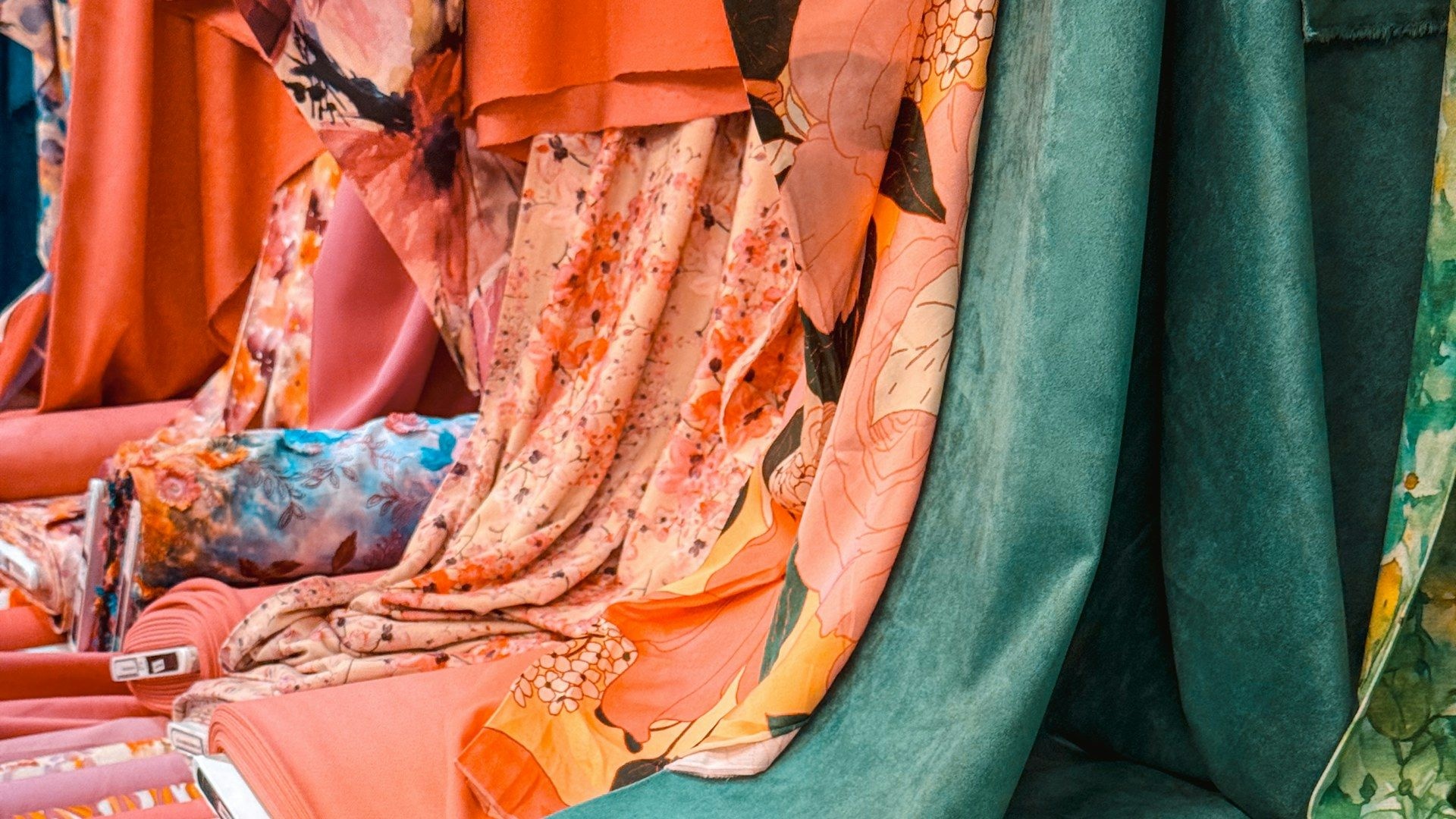
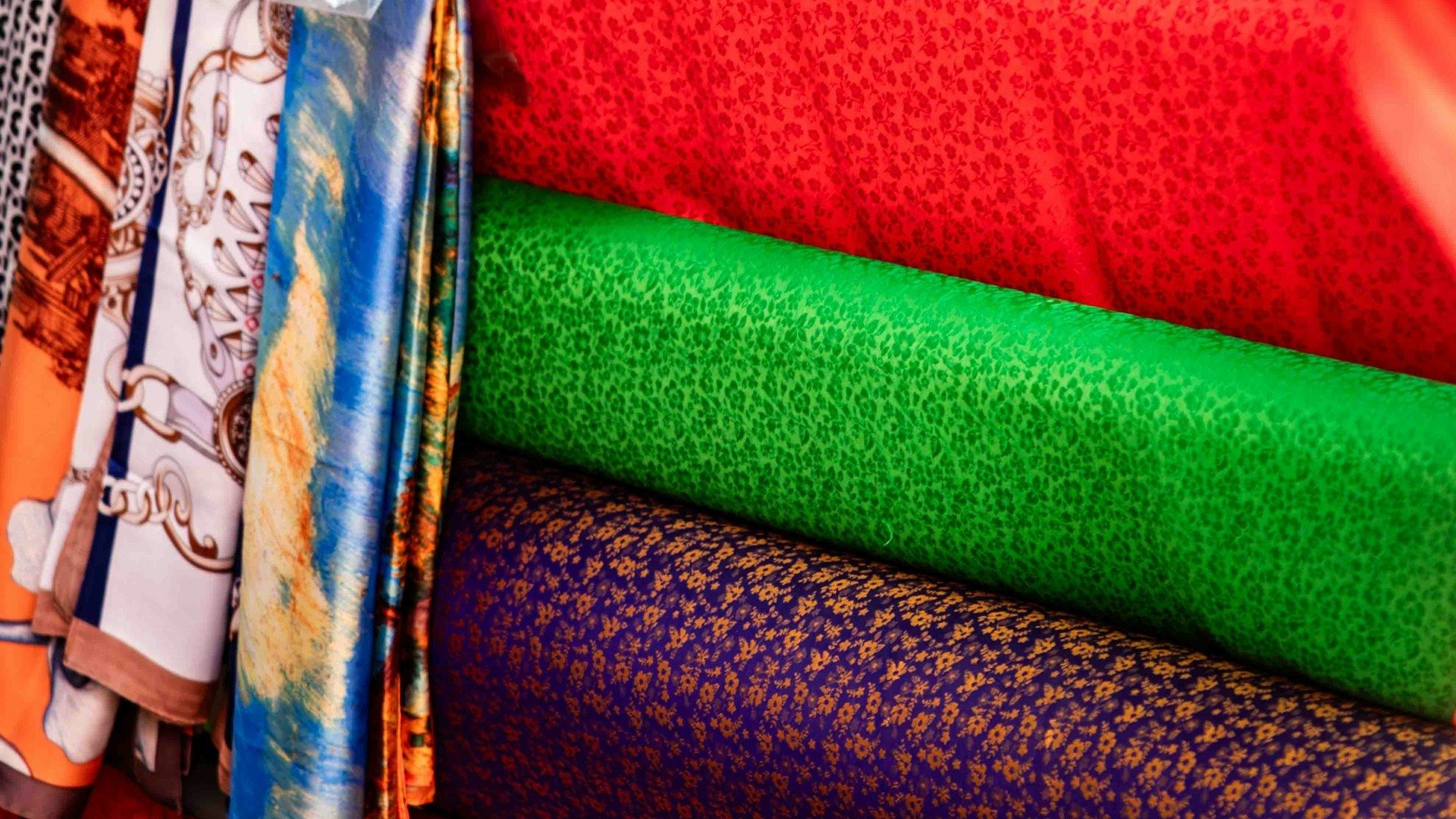
Fabric is the core: woven and knit garment cloth, both domestic and imported, in the weights and constructions Humen's own factories use most. Around it sits a substantial accessories trade — Humen has roughly a hundred accessory producers of its own, making zips, buttons and trims — plus curtain, toy and decorative fabrics, and a leather section within the Fumin complex.
Because this is a production town, stock depth matters more than variety. A vendor here is more likely to have three hundred metres of exactly the right jersey on the shelf than to have one roll each of thirty different ones.
Prices, minimums and how buying works
Prices in Humen are competitive with Guangzhou and occasionally better, particularly on the fabrics local factories buy in volume. The difference is not really the price list — it is that stock is deeper and lead times are shorter, because the vendor's other customers are five minutes away and reorder constantly.
Minimums behave the same way as elsewhere in the delta: buy from stock and you buy by the roll; ask for a dye-to-order colour and you are into a few hundred metres per shade. Where Humen tends to win is on repeat orders — a fabric your factory already runs is likely to be held locally, which removes a week of transit from every reorder.
Planning a visit
Humen is about an hour from Guangzhou and 45 minutes from Shenzhen by road, and is served by Humen railway station and the Dongguan metro. Trading hours are earlier than Guangzhou's — roughly 08:30 to 18:00 — which fits the factory rhythm of the town.
Most buyers combine a Humen fabric visit with the clothing market on Yinlong Road and a factory appointment, which comfortably fills a day. If you are already visiting a Humen garment factory, ask them which fabric vendors they use; it is a faster route to the right shop than walking the street.
Frequently asked questions
Should I buy fabric in Humen or in Guangzhou?
Guangzhou's Zhongda has far more variety and is the better place to search for something specific. Humen is better when you already know the fabric, are buying for production, and want depth of stock close to the factory.
Does Humen sell trims and accessories as well as fabric?
Yes — the town has around a hundred accessory producers making zips, buttons and trims, and the markets carry them alongside the cloth.
What are the opening hours?
Roughly 08:30 to 18:00 daily, earlier than most Guangzhou markets. Individual shops vary and the cluster closes over Chinese New Year.
Location & opening hours
- Address
- Renmin North Road، بلدة هومن، دونغقوان
- Opening hours
- يوميًا، من نحو 08:30 إلى 18:00